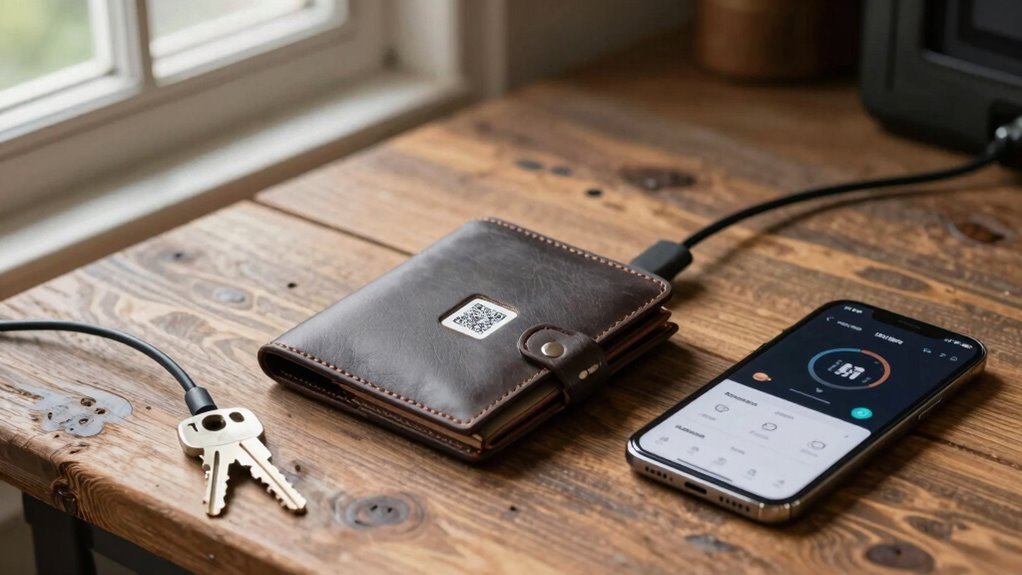

To protect your crypto setup while traveling, use strong, unique passwords and enable two-factor authentication on all accounts. Avoid public Wi-Fi without a VPN and keep your device software updated. Create multiple backups of your recovery phrases, store them separately, and keep backups in secure locations like a safe deposit box. Stay aware of your surroundings, shield screens from prying eyes, and use trusted networks. Managing these steps carefully can help you stay secure on the go.

Get hardware and tech essentials delivered free with Prime
- Fast, free delivery on millions of items
- Prime Video, Amazon Music and more included
- Member-only deals all year
Key Takeaways
- Use strong, unique passwords and enable 2FA on all crypto-related accounts before traveling.
- Keep backups of recovery phrases and private keys in secure, separate physical locations.
- Avoid public Wi-Fi; use a VPN and ensure device software is updated for security.
- Handle devices discreetly, shield screens, and avoid exposing sensitive info in public spaces.
- Regularly review security protocols and be prepared to act quickly if a security breach occurs.

Traveling with your crypto setup can be risky if you’re not prepared. When you’re on the move, you face increased exposure to potential threats, whether from theft, loss, or hacking. To protect your digital assets, you need to prioritize mobile security. This means ensuring your devices are secure from malware and unauthorized access. Use strong, unique passwords for your wallets and enable two-factor authentication whenever possible. Avoid connecting to public Wi-Fi networks without a VPN, as these are often insecure and can be a gateway for hackers to access your data. Additionally, keep your device’s software updated to patch security vulnerabilities that could be exploited. Consider encrypting your phone or tablet to add an extra layer of protection in case it gets lost or stolen.
Prioritize mobile security with strong passwords, two-factor authentication, and VPNs to safeguard your crypto while on the move.
Secure backups are equally essential when traveling. Before you hit the road, make multiple copies of your wallet’s recovery phrases and private keys. Store these backups in physical form—like written notes or hardware wallets—and keep them in separate, secure locations. Never store sensitive information solely on your device or in cloud storage, especially if you’re unsure about the security measures of the service. If your device is lost or compromised, these backups will be your lifeline to restore access to your crypto holdings. Remember, physical backups should be kept in a safe, discreet place, such as a safe deposit box or a secure home safe, and never share these details with anyone. Being aware of your security vulnerabilities can help you take proactive steps to minimize risks. Regularly reviewing your security practices can further bolster your defenses. Incorporating device encryption can also prevent unauthorized access if your device falls into the wrong hands. Utilizing security protocols effectively can help you stay protected against emerging threats.
Additionally, understanding and utilizing trusted networks can significantly reduce your exposure to malicious activity. It’s also wise to familiarize yourself with the regulatory and environmental considerations related to mobile crypto security to ensure compliance and safeguard your assets in different jurisdictions.
Finally, stay vigilant about your surroundings. Be discreet when handling your devices in public. Shield your screens from prying eyes and avoid displaying sensitive information. Regularly review your security practices, and always be prepared to act quickly if you suspect any compromise. By combining strong mobile security measures with secure backups, you considerably reduce the risk of losing your crypto assets while traveling, giving you peace of mind to enjoy your journey without worry.
As an affiliate, we earn on qualifying purchases.
Frequently Asked Questions
Can I Use Public Wi-Fi Safely for Crypto Transactions?
You shouldn’t use public Wi-Fi for crypto transactions without precautions. Public VPNs are essential—they encrypt your internet traffic, making it harder for hackers to intercept your data. Also, confirm your device encryption is enabled, adding another layer of security. Avoid accessing your crypto accounts on unsecured networks, and always verify you’re connected via a trusted VPN. These steps help protect your crypto assets while using public Wi-Fi.
What Should I Do if My Device Gets Stolen Abroad?
If your device gets stolen abroad, act quickly by using device tracking features like Find My iPhone or Find My Device to locate and lock it. Contact local authorities to report the theft, and notify your bank and crypto wallets to prevent unauthorized access. Enable theft prevention measures beforehand, such as strong passwords and remote wipe options, so you can safeguard your sensitive information and minimize losses.
Are Hardware Wallets Secure When Traveling Internationally?
Think of your hardware wallet as a fortress guarding your digital treasure. Yes, they’re secure for international travel, thanks to strong digital encryption. However, you should never rely on it alone; backup strategies are essential. Imagine your backup as a hidden tunnel—if the fortress falls, your assets stay safe. Always carry a secure, encrypted backup and keep your hardware wallet in a safe place to mitigate risks.
How to Verify the Security of Hotel Wi-Fi Networks?
You can verify the security of hotel Wi-Fi networks by checking for strong Wi-Fi encryption, like WPA2 or WPA3, which guarantees your data stays protected. Always inquire about hotel security measures and avoid networks with open or unsecured connections. Use a VPN to encrypt your internet traffic further, and consider connecting only to trusted, password-protected networks to safeguard your crypto setup and personal information during travel.
Is Two-Factor Authentication Effective While Traveling?
Think of two-factor authentication as your modern-day lock and key, like a secret handshake from a spy movie. It’s quite effective while traveling, especially when combined with biometric security for added protection. Multi-factor authentication makes it harder for hackers to access your accounts, even if someone steals your password. Using these layers of security guarantees your crypto stays safe, whether you’re sipping espresso in Rome or steering a Tokyo subway.
As an affiliate, we earn on qualifying purchases.
Conclusion
Remember, a chain is only as strong as its weakest link. When traveling with your crypto setup, stay vigilant and follow best security practices—use hardware wallets, enable two-factor authentication, and avoid public Wi-Fi for transactions. Keep your private keys offline and be cautious about sharing your plans. By taking these precautions, you’ll safeguard your assets. After all, an ounce of prevention is worth a pound of cure, especially in the world of crypto security.
As an affiliate, we earn on qualifying purchases.
As an affiliate, we earn on qualifying purchases.
Halloween Picks
halloween
As an affiliate, we earn on qualifying purchases.