
TL;DR
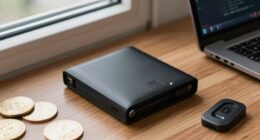
Crypto hardware wallets store private keys offline, offering high security for crypto assets. Recent innovations include biometric security and DeFi support. Choosing the right device depends on your needs and understanding their evolving features.
Imagine this: your crypto holdings are worth thousands, maybe even hundreds of thousands. Would you leave your savings on an online exchange vulnerable to hacks? Probably not. That’s why crypto hardware wallets have become the trusted safes for storing digital riches. They’re physical devices designed to keep your private keys offline, making hacking a nightmare for cybercriminals. This article breaks down what makes these devices so vital, recent upgrades that boost their security, and how to pick one that suits your crypto lifestyle.
Whether you’re a seasoned trader or just starting to build your portfolio, understanding the ins and outs of hardware wallets helps you avoid costly mistakes. Let’s explore what these gadgets do, how they’ve evolved recently, and the best way to use them to keep your crypto safe.
Crypto hardware wallets keep private keys offline, dramatically reducing hacking risks.
Latest models now support biometric authentication and DeFi integration, boosting security and usability.
Choosing the right hardware wallet depends on supported assets, connectivity, and budget.
Safeguarding your recovery seed is critical—losing it means losing access forever.
For large or long-term holdings, investing in a hardware wallet is a wise move to protect your assets.
What Makes Crypto Hardware Wallets the Safest Storage Method?
Crypto hardware wallets are physical devices that store your private keys offline, away from internet threats. They’re designed like tiny, high-tech safes—think of a USB stick with extra armor. When you want to send crypto, the device signs the transaction internally, never revealing the private key to your computer or online platforms. This process ensures that your private keys are never exposed to potential malware or hacking attempts during transactions. For example, a Ledger Nano X or Trezor Model T will keep your keys secure even if your computer gets infected with malware, because the critical signing process happens within the device itself, isolated from the compromised system. This isolation reduces the attack surface, making it exponentially harder for cybercriminals to extract your private keys.
These wallets often include PIN codes, passphrases, and tamper-resistant chips. Plus, they generate a recovery seed—a set of 12-24 words—that acts as a master key. If your device gets lost or damaged, you restore your assets on a new wallet using this seed. It’s like having a backup plan for your digital fortune. The importance of this backup cannot be overstated: losing your seed without a secure backup essentially means losing access to your assets forever, emphasizing why safeguarding this information is a critical part of the security tradeoff and process.

TANGEM Crypto Wallet Pack of 2 – Trusted Cold Storage Hardware Wallet for Bitcoin, Ethereum, NFTs & Altcoins – 100% Offline Crypto Cold Wallet
Proven security at scale: Over 9 years and millions of cards issued with no known remote hacks, while…
As an affiliate, we earn on qualifying purchases.
As an affiliate, we earn on qualifying purchases.
How Do Recent Tech Upgrades Make Hardware Wallets Even Safer?
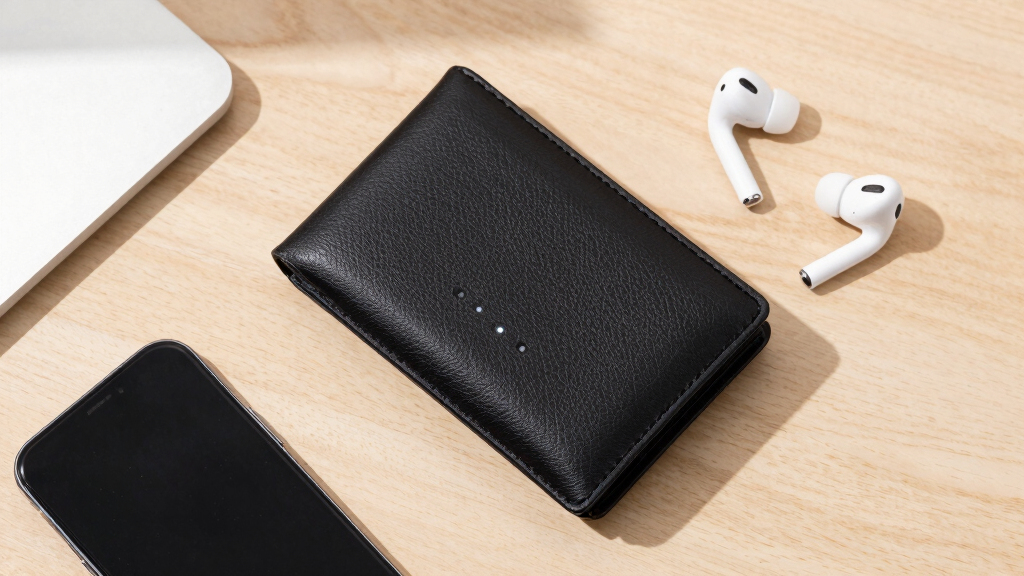
Latest crypto hardware wallets pack cutting-edge features that raise the bar for security. Some now include biometric authentication, like fingerprint sensors, which add an extra layer of security by ensuring only authorized users can access the device. This reduces the risk of theft if someone physically steals your hardware wallet. Others boast improved secure element chips—tiny, tamper-evident modules that resist physical attacks and attempts at hardware tampering. For example, the Ledger Nano X added Bluetooth connectivity, which allows seamless pairing with mobile devices, but this feature is carefully designed to maintain security by encrypting all communications and requiring user authentication before transactions. These innovations reflect a trend toward making hardware wallets not only more resistant to physical tampering but also more user-friendly and compatible with modern crypto activities like DeFi and NFTs.
Support for DeFi and NFTs has expanded, letting you manage complex assets directly from your hardware wallet. Open-source firmware projects now allow the community to audit and improve security transparently. Additionally, new models from startups and established brands like Ledger and Trezor are offering multi-asset support and compatibility with various dApps, making managing multiple tokens smoother than ever. These advancements demonstrate how hardware wallets are evolving to meet current crypto trends, balancing ease of use with robust security features, thus accommodating both casual users and advanced traders.
best hardware wallet for crypto
As an affiliate, we earn on qualifying purchases.
As an affiliate, we earn on qualifying purchases.
Crypto Hardware Wallets Compared: Which One Fits Your Style?
| Feature | Ledger Nano X | Trezor Model T | KeepKey |
|---|---|---|---|
| Price | $119 | $169 | $79 |
| Supported Coins | Over 1,800 | Over 1,600 | About 50 |
| Connectivity | USB-C, Bluetooth | USB-C, MicroSD | USB-C |
| User Interface | Touchscreen & app | Color touchscreen | Button navigation |
| Best for | Advanced users, DeFi | Security-conscious beginners | Budget-friendly users |
Choosing a wallet depends on what you prioritize: cost, supported assets, ease of use, or advanced features. For example, if you want broad coin support and Bluetooth, Ledger Nano X is a strong pick. If you prefer open-source firmware with a touchscreen, the Trezor Model T has you covered. Consider your specific needs and how each device’s features align with your crypto management style, as the right choice can significantly impact your security and convenience in handling digital assets.
biometric crypto wallet
As an affiliate, we earn on qualifying purchases.
As an affiliate, we earn on qualifying purchases.
Step-by-Step: How to Set Up Your Crypto Hardware Wallet Without a Hitch
- Unbox your device and connect it to a computer or smartphone.
- Follow the on-screen instructions to initialize it—set a PIN code.
- Write down your recovery seed carefully, in order, on the provided paper, and store it securely. Recognize that this seed is the ultimate backup; anyone with access to it can recover your wallet and access your funds, so safeguarding it is crucial.
- Install the official app or software, like Ledger Live or Trezor Suite.
- Use the app to add your cryptocurrencies and start managing your assets securely. During setup, pay close attention to verifying seed words and ensuring no one observes your seed or PIN.
For example, I set up my Ledger Nano X in under 10 minutes by following these steps. The process felt straightforward, and I appreciated how the device guided me through each step, emphasizing the importance of safeguarding my seed phrase. Remember, a secure setup process and careful handling of your seed are fundamental to maintaining your hardware wallet’s security integrity.
hardware wallet with DeFi support
As an affiliate, we earn on qualifying purchases.
As an affiliate, we earn on qualifying purchases.
The Big Risks: What Could Still Go Wrong with Hardware Wallets?
While hardware wallets are among the safest options, they’re not invincible. The biggest risk? Losing your recovery seed or having it stolen. If someone gets your seed, they can restore your wallet on a different device and access your funds. Think of it like losing the keys to your safe—without the backup, your assets are gone. This highlights why the seed’s security is paramount; storing it in a secure, private location is essential, and never sharing it with anyone or entering it on untrusted websites.
Other dangers include falling for phishing scams—where fake websites or emails trick you into revealing your seed or PIN—or purchasing counterfeit devices. Always buy directly from trusted sources, and verify the authenticity of your hardware before use. Remember, even a tiny lapse in security—like revealing your seed or using a compromised device—can compromise your entire crypto holdings. The key takeaway is that hardware wallets are secure, but only when users diligently protect their backup information and remain vigilant against scams.
Should You Invest in a Hardware Wallet? Here’s When It’s Worth It
If you hold more than a few hundred dollars in crypto, a hardware wallet becomes a smart investment. For example, storing $5,000 in Bitcoin on an exchange exposes you to hacking risks; moving it to a hardware wallet offers peace of mind by isolating your assets from online threats. The security benefits increase with the amount stored because the potential loss from a hack or theft also rises. Even with smaller amounts, if you plan to HODL long-term, the added security and peace of mind justify the cost, as the inconvenience of a hardware wallet is often outweighed by its protective features.
However, if you’re a day trader flipping small amounts or just experimenting, a software wallet might suffice temporarily. But consider that the security tradeoff increases with the value stored. The decision ultimately hinges on your risk tolerance, how much you’re willing to spend for peace of mind, and how long you plan to hold your assets. Investing in a hardware wallet is about balancing convenience, cost, and the importance of protecting your wealth from increasingly sophisticated threats.
Frequently Asked Questions
Are hardware wallets really safe?
Yes, when used properly, hardware wallets provide a high level of security by keeping private keys offline, away from online threats like hacking or malware.
Which hardware wallet is best for beginners?
For newcomers, user-friendly options like the Trezor Model T or Ledger Nano X offer clear instructions, good support, and broad asset compatibility.
How do I restore my assets if I lose my hardware wallet?
Use your recovery seed—12 to 24 words you wrote down during setup—to restore your wallet on a new device. Keep this seed safe and private at all costs.
Can I manage multiple cryptocurrencies on one hardware wallet?
Absolutely. Most hardware wallets support dozens to thousands of tokens across different blockchains, making it easy to manage diverse assets in one place.
Is it worth buying a hardware wallet for small crypto holdings?
If your holdings are significant or intended for long-term storage, a hardware wallet offers peace of mind. For small, quick trades, a software wallet might suffice temporarily.
Conclusion
Crypto hardware wallets aren’t just gadgets—they’re your digital vaults. As the crypto world evolves with new threats and features, staying informed makes all the difference. Think of these devices as your first line of defense, guarding your wealth against digital wolves.
Remember: security starts with you. Pick a trusted device, safeguard your seed, and stay updated on new features. Your crypto future depends on it.