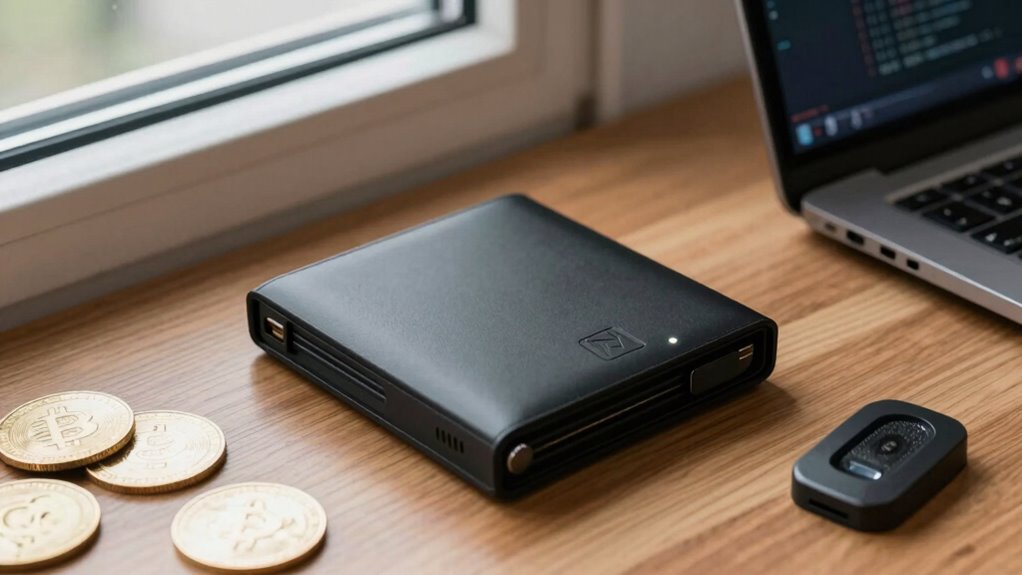

Deciding if a hardware wallet is worth it depends on how much you prioritize security versus convenience. If you hold significant crypto assets or want to protect against hacking, phishing, and malware, a hardware wallet offers strong, offline security. While it may feel cumbersome or cost more upfront, the long-term peace of mind can be valuable. If you keep your assets small or trade often, it might seem less necessary. Keep exploring to discover more ways to make the best decision for your needs.

Get hardware and tech essentials delivered free with Prime
- Fast, free delivery on millions of items
- Prime Video, Amazon Music and more included
- Member-only deals all year
Key Takeaways
- Evaluate the size of your crypto holdings; larger amounts justify investing in enhanced security.
- Consider your risk tolerance for hacking, phishing, and malware threats.
- Assess whether the convenience trade-offs align with your trading frequency and technical comfort.
- Weigh the long-term security benefits against the initial cost and setup effort.
- Decide if protecting your assets from cyber threats outweighs the potential inconvenience.
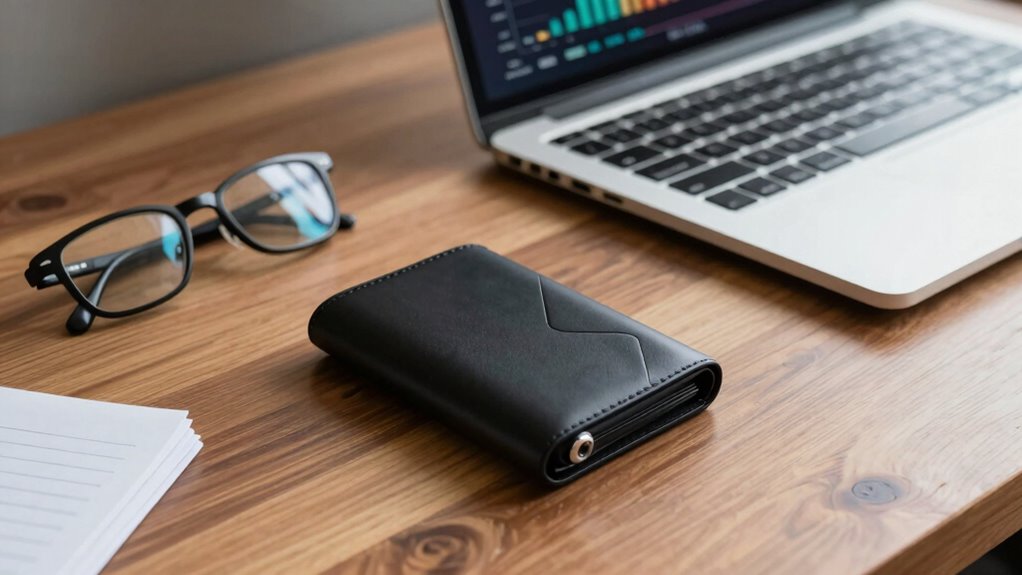
Are hardware wallets worth the investment? If you’re serious about safeguarding your cryptocurrencies, this is a question you’ll want to deliberate carefully. Hardware wallets are designed to enhance digital security by keeping your private keys offline, away from potential hacking threats. They provide a level of protection that software wallets or online exchanges simply can’t match. But before you decide, weigh how this impacts your overall user experience. While hardware wallets can be more secure, they also introduce some complexity and inconvenience into your routine. It’s a balance between peace of mind and ease of access.
Hardware wallets offer enhanced security but may add complexity—balance your need for safety with ease of use.
In terms of digital security, hardware wallets excel because they store your keys in a physical device, such as a USB stick or specialized hardware device. This makes it nearly impossible for hackers to access your funds remotely. Unlike online wallets, which are vulnerable to phishing attacks or malware, hardware wallets require physical access to perform transactions. If security is your top priority—especially if you’re holding a significant amount of crypto—then a hardware wallet is a solid choice. It minimizes the risk of theft due to cyberattacks, ensuring that your assets stay safe even if your computer or online accounts are compromised.
However, this added security can impact your user experience. Hardware wallets aren’t as quick or straightforward as simply logging into an online wallet. You need to connect the device to a computer or mobile device, enter PINs, and sometimes navigate through menus. This process can feel cumbersome, especially if you frequently trade or check your balances. It’s a trade-off: you gain security but might sacrifice some convenience. If you prefer rapid transactions or casual monitoring, a hardware wallet might feel like an obstacle. Conversely, if you’re a long-term holder who prioritizes safety over speed, this inconvenience might be worth it. User experience can also be affected by the learning curve involved in understanding how to properly set up and use the device.
Another aspect to broach is the learning curve involved in using a hardware wallet. Setting one up for the first time can seem intimidating, especially if you’re new to crypto. You’ll need to understand how to securely store your recovery seed phrase and properly connect the device. But once you’re familiar with the process, it becomes a straightforward tool that offers peace of mind for future transactions. Additionally, understanding the importance of AI’s role in security innovation can help you appreciate the ongoing advancements in protecting digital assets. Staying informed about these technological improvements can further justify the investment in a hardware wallet, especially for long-term security.
As an affiliate, we earn on qualifying purchases.
Frequently Asked Questions
Are Hardware Wallets Compatible With All Cryptocurrencies?
Hardware wallets aren’t compatible with all cryptocurrencies, but they support many popular ones like Bitcoin and Ethereum. When choosing a wallet, consider its cryptocurrency exchange options and blockchain compatibility. Some wallets work with multiple blockchains, while others are more limited. You’ll want to verify whether your desired cryptocurrencies are supported before investing, ensuring your hardware wallet can securely store and manage your assets across different blockchains.
How Secure Are Hardware Wallets Against Physical Theft?
A stitch in time saves nine; hardware wallets are quite secure against physical theft if you prioritize physical security and theft prevention. They store your private keys offline, making it difficult for thieves to access your funds without physical possession. However, no device is completely theft-proof. To boost security, keep your hardware wallet in a safe place, use PINs or passphrases, and be cautious about physical access.
Can Hardware Wallets Be Used for Multiple Devices Simultaneously?
Yes, hardware wallets can be used for multiple devices simultaneously. They often support multi-device management, allowing you to access your assets across different gadgets. Many also offer cross-platform compatibility, meaning you can connect them to various operating systems like Windows, Mac, or Android. This flexibility makes it easy to manage your cryptocurrencies securely, no matter which device you’re using. Just verify your hardware wallet supports these features before purchasing.
What Is the Typical Lifespan of a Hardware Wallet?
You might worry about your hardware wallet’s lifespan, but rest assured, most last around 3-5 years. Its durability relies on hardware quality, while battery longevity varies—some last several years with proper care. Regular updates and careful handling can prolong its life, giving you peace of mind. Investing in a reputable brand guarantees better hardware durability, so your crypto stays protected longer, even as technology evolves.
How Easy Is It to Recover Funds if the Hardware Wallet Is Lost?
If you lose your hardware wallet, recovering your funds is straightforward if you’ve followed proper backup procedures. You need your recovery seed phrase, which acts as a backup for all your wallet data. Using recovery options, you can restore your funds on a new device. Always keep your seed phrase secure and private, because it’s the key to regaining access if your hardware wallet is lost or damaged.
As an affiliate, we earn on qualifying purchases.
Conclusion
So, now you’re faced with the ultimate showdown: a shiny hardware wallet versus, well, not. If you value your crypto more than just a passing fancy, splurging on that sleek device might seem like a no-brainer. But hey, if you’re comfortable risking it all with a password on a sticky note, who am I to judge? Remember, in the world of crypto, a hardware wallet is just your digital safety net with a fancy suit.
As an affiliate, we earn on qualifying purchases.
As an affiliate, we earn on qualifying purchases.
Halloween Picks
halloween
As an affiliate, we earn on qualifying purchases.