
📊 Full opportunity report: Sovereignty Is a Pipe, Not a Passport on ThorstenMeyerAI.com — validation score, market gap, and execution plan.

Get hardware and tech essentials delivered free — and shop member deals
- Fast, free delivery on millions of items
- Access to Prime Big Deal Days deals on October 6–7
- Prime Video, Amazon Music and more included
TL;DR
The article explains that data sovereignty depends on legal jurisdiction, not physical location or company nationality. Even European-hosted models can be exposed to US law via cloud platforms, challenging claims of sovereignty.
European AI vendor Mistral claims to offer sovereignty by hosting models on European infrastructure, but experts warn that US jurisdiction laws like the CLOUD Act still pose risks when models are delivered via American cloud platforms.
Mistral, a French AI company valued at $14 billion, promotes its sovereignty by hosting models on European data centers and infrastructure, avoiding U.S. legal exposure. However, the company distributes its models through American cloud providers like Microsoft Azure, Google Cloud, and Amazon Web Services, which are subject to U.S. jurisdiction under laws like the CLOUD Act. This law allows U.S. authorities to compel access to data stored on servers owned by U.S.-based companies, regardless of physical location.
Legal experts emphasize that jurisdiction trumps server location. Even if data is physically stored in Europe, it remains accessible to U.S. authorities if the hosting company is U.S.-based or operating under U.S. law. Cases like France’s Health Data Hub, which hosts European medical records on U.S cloud infrastructure, illustrate this vulnerability. The key question for AI vendors is whose law governs the company holding the data, not where the data physically resides.
In contrast, fully self-hosted, on-premise models running on European infrastructure are genuinely protected from U.S. jurisdiction. Mistral’s own French data center, for example, offers a sovereignty advantage that U.S-based providers cannot match, especially when combined with European certifications and funding structures designed to favor local vendors.
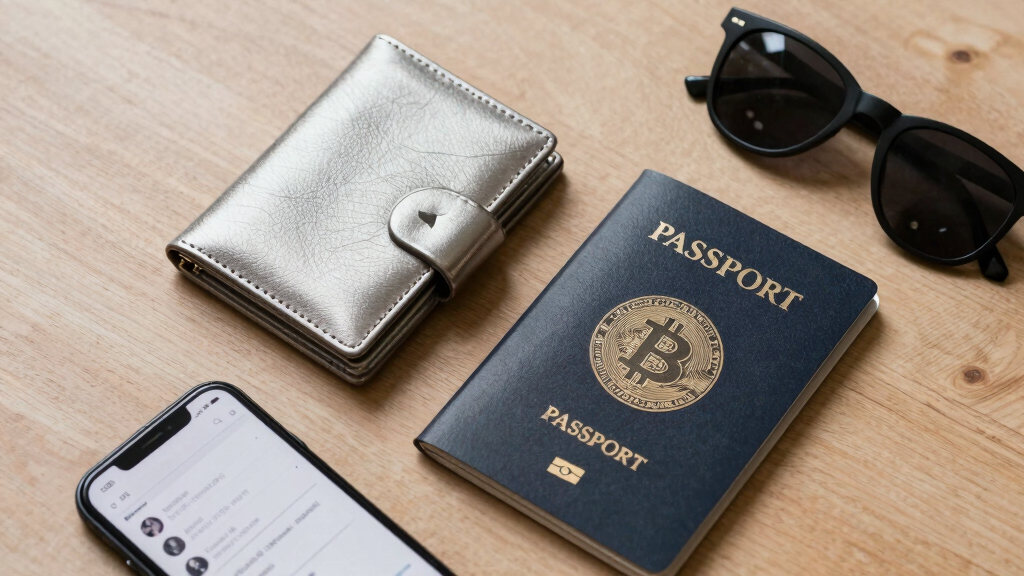
Sovereignty is a pipe, not a passport
Mistral sells European data sovereignty — then distributes its models through Azure, Bedrock & Google Cloud, the American infrastructure it tells customers to flee. A French passport on the lab doesn’t travel down an American wire.
Mistral-direct
hyperscaler
The CLOUD Act lets US authorities compel a US-headquartered provider to hand over data wherever it physically sits. Picking the “EU region” in AWS or Azure doesn’t resolve it — jurisdiction follows the company’s HQ, not the server’s location. Schrems II established the same from the EU side.
Mistral isn’t selling a lie — it’s selling a conditional truth, and the condition is the part the marketing skips. Sovereignty holds on Mistral’s own iron; it leaks the moment convenience routes the model through the American cloud. The deeper lesson cuts at Brussels: sovereignty is an end-to-end property of the whole stack — model, cloud, chips, supply chain — that Europe owns at no layer except the model itself. As Mensch put it: you “cannot regulate your way to computing supremacy.”
Implications for European Data Sovereignty Claims
This analysis challenges the common assumption that hosting data in Europe automatically ensures legal sovereignty. It shows that legal jurisdiction over the hosting company determines data protection, not physical location or company nationality. This has significant implications for European AI vendors and government procurement, as reliance on American cloud platforms exposes data to U.S. laws regardless of hosting location. The debate over sovereignty is therefore more about who controls the data and whose laws apply than where the data is stored.
European regulators and enterprises must recognize that sovereignty claims based solely on infrastructure location are incomplete. The effectiveness of sovereignty measures depends on controlling the entire data stack, including hardware, cloud services, and legal jurisdiction, which complicates efforts to establish truly sovereign AI solutions.
As an affiliate, we earn on qualifying purchases.
Legal and Infrastructure Limits of Data Sovereignty
The legal framework, notably the 2018 US CLOUD Act and the European Schrems II ruling, establishes that jurisdiction often overrides physical data location. The CLOUD Act permits U.S. authorities to access data stored by U.S.-based companies, even if the data is physically outside the U.S., undermining sovereignty claims based solely on hosting location. European efforts like the Data Privacy Framework aim to address these issues but have not fully resolved the conflict, especially for sensitive sectors like healthcare and government.
In practice, European companies and regulators face a dilemma: hosting data on European infrastructure reduces legal exposure but does not eliminate it if the underlying service providers are U.S.-based or answer to U.S. law. Mistral’s case exemplifies this tension—while its models are hosted on European servers, they are distributed via American cloud platforms that remain under U.S. jurisdiction.
“Jurisdiction, not geography, determines legal exposure. Hosting in Europe doesn’t automatically shield data from U.S. authorities if the service provider is U.S.-based.”
— Legal expert familiar with cloud law
As an affiliate, we earn on qualifying purchases.
Legal and Technical Gaps in Achieving True Sovereignty
It remains unclear how European regulators will enforce sovereignty claims as cloud providers develop EU-specific data residency options. While some providers like Microsoft have extended EU Data Boundaries, these do not fully eliminate U.S. jurisdiction risks, especially if the underlying hardware or subcontractors are U.S.-based. The legal and technical limits of sovereignty are still being tested, and regulatory guidance remains evolving.
As an affiliate, we earn on qualifying purchases.
Future Developments in Cloud Jurisdiction and Sovereignty
European regulators are likely to scrutinize the legal jurisdiction of cloud providers more closely, potentially leading to new standards or restrictions on data hosting and distribution. U.S. cloud providers are expected to enhance EU-specific controls, but the fundamental legal challenge posed by the CLOUD Act will persist. European vendors and buyers will need to weigh the benefits of local hosting against the residual risks posed by U.S. jurisdiction, possibly accelerating the shift toward fully on-premise or sovereign infrastructure solutions.
As an affiliate, we earn on qualifying purchases.
Key Questions
Does hosting data in Europe guarantee legal sovereignty?
No, hosting data in Europe does not guarantee immunity from U.S. jurisdiction laws like the CLOUD Act if the service provider is U.S.-based or answers to U.S. law. Jurisdiction over the company holding the data is the key factor.
Can a fully European-hosted AI model be protected from U.S. legal reach?
Yes, if the model is self-hosted on European infrastructure and operated entirely within European jurisdiction, it can be protected from U.S. legal reach, assuming no U.S. hardware or subcontractors are involved.
What role do cloud providers’ EU controls play in sovereignty?
EU-specific controls like Microsoft’s EU Data Boundary help reduce legal risks but do not fully eliminate jurisdictional exposure if the underlying hardware or legal frameworks are U.S.-based. Full sovereignty depends on controlling the entire data stack.
Will European regulators impose new rules on cloud jurisdiction?
It is likely that regulators will increase oversight and develop standards to better define jurisdictional boundaries, but legal and technical challenges remain unresolved.
What should European enterprises consider when choosing AI vendors?
They should evaluate not only where data is hosted but also the legal jurisdiction of the service provider, hardware supply chains, and subcontractors to assess true sovereignty and legal risks.
Source: ThorstenMeyerAI.com
Halloween Picks
halloween
As an affiliate, we earn on qualifying purchases.