

TL;DR
A well-designed lead qualification system filters out unfit prospects before they reach your inbox. Using structured forms, scoring, and analytics, you can focus your efforts on leads most likely to convert—while you sleep. Automating this process boosts pipeline quality and sales efficiency.
Imagine this: dozens of new inquiries flood your inbox daily. Most are tire kickers or misfits. Yet, your team wastes hours sorting through them, chasing dead ends. It’s frustrating and inefficient.
The truth is, manual qualification doesn’t scale. It drags down your pipeline and wastes your best people’s time. But what if you could automatically filter, score, and route leads—while you focus on closing deals? That’s where a smart, automated lead qualification system comes in. It’s the secret weapon to building a pipeline that works even when you’re asleep.
Key Takeaways
- Replace manual forms with multi-step, scored qualification funnels to filter prospects automatically.
- Use scoring models based on ideal customer criteria—budget, authority, need, timeline—to prioritize leads.
- Automate routing so high-scoring leads book calls immediately, while low-scoring ones get resources or are dismissed.
- Track engagement and drop-off points to continuously refine questions and scoring thresholds.
- Implement real-time analytics to identify patterns and improve your qualification process over time.
Software Architecture Fundamentals: iSAQB-Compliant Study Guide for the Certified Professional for Software Architecture—Foundation Level Exam
As an affiliate, we earn on qualifying purchases.
As an affiliate, we earn on qualifying purchases.
Why Manual Qualification Stops Working at Scale
Manual qualification is like trying to sort through a mountain of snow with a teaspoon. It’s slow, inconsistent, and drains your team’s energy. When leads come in at odd hours—say, a Friday night—they’re left waiting until Monday. By then, some have already moved on or contacted competitors. Speed is king in sales, and manual processes simply can’t keep up.
Plus, relying on human judgment introduces bias and variability. One team member might chase every lead, while another dismisses promising prospects based on gut feeling. Over time, this inconsistency kills your pipeline quality. And let’s not forget—manual qualification eats hours of your precious time. For instance, a senior consultant spending 20 minutes per lead on initial screening adds up fast, often doing more harm than good.
Finally, manual methods drown you in data blind spots. Without automated tracking, you miss patterns—like which traffic sources produce the best leads or how certain keywords predict conversion. You’re flying blind in a data-driven world.
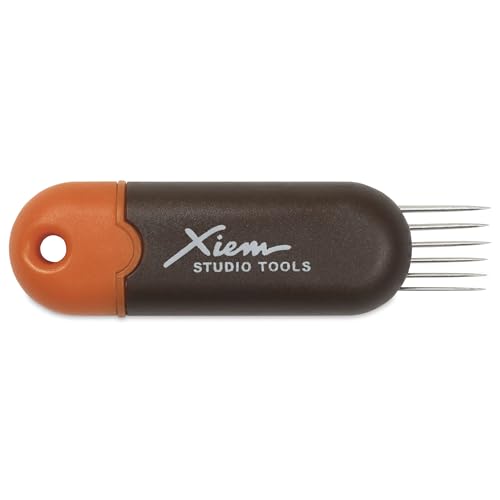
Xiem Tools Retractable Scoring Tool for Pottery and Ceramics
The Xiem retractable scoring tool provides an ergonomic solution to scoring and storing.
As an affiliate, we earn on qualifying purchases.
As an affiliate, we earn on qualifying purchases.
How to Build a Lead Qualification System That Runs on Autopilot
Automating your lead qualification starts with replacing your boring contact form with a smart, multi-step quiz. This isn’t just about gathering contact info—it’s about asking the right questions to mirror a sales call.
For example, a marketing agency might ask:
- What kind of help do you need? (SEO, ads, branding)
- What’s your monthly marketing budget?
- How many staff do you have?
- What’s your timeline?
Each answer gets scored based on how well it matches your ideal client profile. A lead with a $10,000/month budget and a quick timeline scores higher than a solo freelancer with a $500 budget.
Once responses are scored, you automatically route leads:
- High scores: Book a call immediately, alert your team, and add to your CRM as a hot prospect.
- Medium scores: Send helpful resources, nurture via email, and keep them warm.
- Low scores: Show friendly messages and guide them to self-service resources.
With analytics, you can refine questions, adjust scoring, and improve lead quality over time. This continuous feedback loop turns your qualification process into a well-oiled machine.
CRM lead routing system
As an affiliate, we earn on qualifying purchases.
As an affiliate, we earn on qualifying purchases.
The Exact Questions and Scoring Model That Wins
Effective scoring transforms raw answers into a clear qualification signal. Here’s a simple example:
| Question | Answer | Score |
|---|---|---|
| Monthly budget | Over $15,000 | 15 |
| Timeline | Within 1 month | 10 |
| Company size | 50+ employees | 15 |
Adding up these points helps you decide whether to push the lead forward, nurture, or dismiss. For instance, a total score of 35+ might mean immediate booking, while below 15 suggests a dismiss or resource redirect.
This scoring approach isn’t just guesswork—it’s backed by data showing leads with higher scores convert at 2-3x the rate of low-scoring ones [4].
multi-step lead qualification form
As an affiliate, we earn on qualifying purchases.
As an affiliate, we earn on qualifying purchases.
Route and Prioritize Leads Automatically Based on Their Score
Once your leads are scored, you need a smart routing system. Here’s what works:
- Hot Leads (35+): Book immediately. Send a team alert and push to CRM as ‘qualified’.
- Warm Leads (15–34): Show a thank-you page, add to nurturing sequences, and flag for follow-up.
- Cold Leads (under 15): Show a friendly message with resources, or redirect to FAQs. No sales time wasted here.
This tiered approach ensures your team spends time only on prospects most likely to buy, boosting efficiency and pipeline quality. Plus, with analytics, you can tweak these thresholds over time for better results.
Tracking, Improving, and Scaling Your Qualification System
Automation isn’t set-it-and-forget-it. You need to track performance, analyze drop-off points, and refine questions and scoring. For example, if many high-scoring leads bounce at the second question, it’s time to adjust.
Use analytics dashboards to see:
- Conversion rates at each step
- Traffic sources producing the best leads
- Questions where prospects drop off most
This data-driven approach helps you fine-tune your system, making sure it weeds out tire kickers and highlights high-value prospects. Over time, you’ll notice higher conversion rates and a healthier pipeline—without extra effort.
A Real-World Example: How a Web Design Agency Saves 15 Hours a Month
Meet Sarah, a web design agency owner. She used to spend 20 minutes per lead manually qualifying, which added up to 17 hours a month. Now, she replaced her contact form with a scoring funnel, instantly filtering out tire kickers and misfits.
As a result, Sarah spends just 2.5 hours on truly qualified leads—saving hours every week. Her pipeline is healthier, and she closes more deals because she focuses only on high-quality prospects. This simple change turned her workflow from chaos into a well-oiled machine.
Frequently Asked Questions
How do I define my ideal customer profile (ICP) for lead qualification?
Start by analyzing your best current clients. Look at industry, company size, revenue, decision-maker roles, and pain points. Use this data to craft specific criteria, then translate those into your qualification questions and scoring model.
What’s the biggest mistake when building a lead qualification system?
Overcomplicating the questions or scoring too rigidly. Keep it simple, relevant, and adjustable. The goal is to filter efficiently, not to create a mini exam for every lead.
Can AI really automate lead qualification?
Yes, modern AI tools can analyze behavioral signals, engagement, and firmographics in real-time. Integrating AI with your scoring system enhances accuracy and helps you identify high-intent prospects more quickly [6].
How often should I revisit and tweak my qualification criteria?
At least quarterly. As your market evolves and you gather more data, adjust your questions, score thresholds, and routing rules to keep your system sharp and relevant.
Conclusion
Your best prospects are hiding in plain sight—if you build a system that automatically filters and scores them. Automation frees your team to focus on closing deals, not chasing dead-end leads. Don’t wait for manual processes to slow you down—set up your qualification engine today and watch your pipeline thrive even while you sleep.
Remember, a smart qualification system isn’t just about saving time; it’s about working smarter, not harder. Your pipeline’s future depends on it.