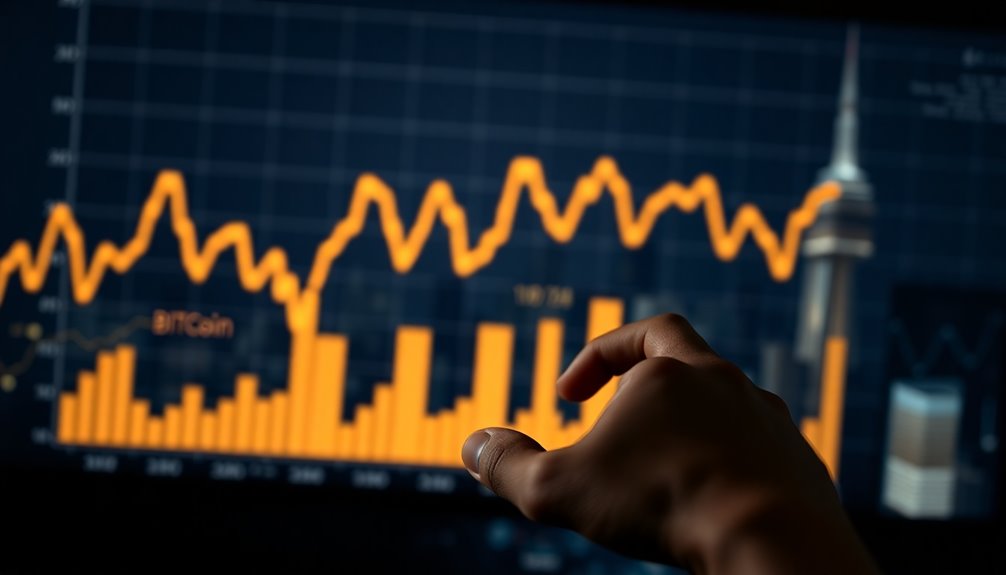

Bitcoin's volatility is at levels we rarely see, with a 1-week realized volatility of just 23.42%. This calm could hint at something brewing in the market. With 62% of Bitcoin's supply sitting untouched for over a year, long-term holders seem confident. What does this combination of low volatility and strong holder sentiment mean for Bitcoin's price? You might want to consider the implications as the situation unfolds.

Get hardware and tech essentials delivered free with Prime
- Fast, free delivery on millions of items
- Prime Video, Amazon Music and more included
- Member-only deals all year
As Bitcoin's short-term volatility reaches historic lows, many investors are speculating about a potential shift in the market. You might notice that the 1-week realized volatility has dropped to just 23.42%, a figure rarely seen in the past few years. This decline has sparked conversations about what could come next. Historically, low volatility often precedes significant price movements, and it's worth considering how this trend might play out now.
You probably know that Bitcoin's reputation for volatility is a common talking point, but it's currently less volatile than many S&P 500 stocks. This shift in perception could lead you to reassess how you view Bitcoin's potential. Investors often overestimate Bitcoin's volatility, which can create an opportunity for those who see its true potential. This moment of calm could indicate a brewing storm of price action.
When low volatility periods emerge, they often pave the way for substantial price surges. If you look back, you'll recall that early 2024 saw low volatility followed by nearly a 100% price increase. Bitcoin is now hovering around the $100,000 mark, with many trying to gauge when it might break through that barrier. Your belief in market sentiment plays a crucial role here, as low volatility tends to reflect confidence and reduced sell pressure among holders. Additionally, 62% of Bitcoin's circulating supply has not moved in over a year, further indicating strong holder confidence.
Long-term holders are a significant part of the current landscape, with a large portion of Bitcoin's supply remaining unmoved for over a year. This behavior signifies strong long-term confidence that can contribute to scarcity, ultimately driving price appreciation. If you're part of this group, you're helping stabilize the market, which reduces the likelihood of sudden sell-offs. The growing institutional participation is also enhancing this stability.
As you think about Bitcoin's trajectory, consider the regulatory and macroeconomic factors at play. Regulatory clarity will be essential for Bitcoin's price movements in 2025. Shifts in macroeconomic policies, particularly from the U.S. Federal Reserve, could make a significant impact. The anticipated crypto-friendly policies might boost prices but could also introduce new market risks.
Products Worth Considering

Ledger Flex + Folio Crypto Hardware Wallet

Trezor Safe 7 Crypto Hardware Wallet

Ledger Nano X Bluetooth Crypto Wallet
As an affiliate, we earn on qualifying purchases.