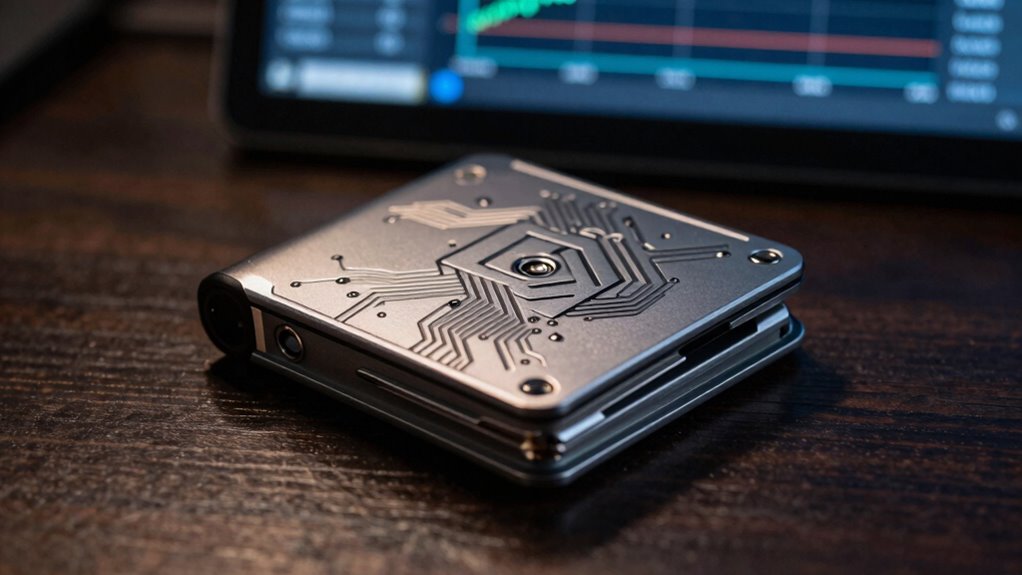

Bitcoin self-custody is fundamental because it puts you in full control of your assets, eliminating reliance on third-party platforms that may fail or be compromised. It aligns with the decentralization core of Bitcoin, giving you sovereignty over your wealth. By managing your own private keys through secure wallets, you reduce risks like fraud or theft. If you want to understand how to protect your assets and embrace true financial independence, there’s more to discover below.

Get hardware and tech essentials delivered free — and shop member deals
- Fast, free delivery on millions of items
- Access to Prime Big Deal Days deals on October 6–7
- Prime Video, Amazon Music and more included
Key Takeaways
- Self-custody ensures full control and ownership of Bitcoin assets without reliance on third-party platforms.
- It aligns with Bitcoin’s decentralization philosophy, promoting individual sovereignty and autonomy.
- Self-custody reduces risks of insolvency, mismanagement, or hacking associated with exchanges.
- It requires active management and security practices, emphasizing personal responsibility for asset protection.
- Maintaining self-custody supports privacy and legal independence in cryptocurrency ownership.
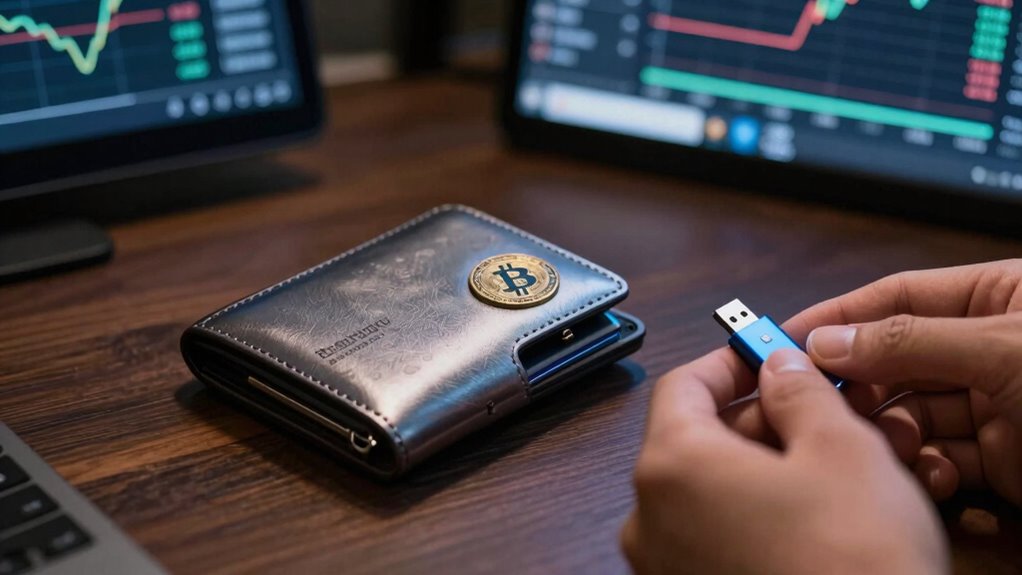
While many investors rely on third-party platforms to hold their Bitcoin, self-custody puts you in full control of your funds. Instead of trusting an exchange or a third-party service, you manage your Bitcoin directly through a digital wallet you own. This approach offers a higher level of sovereignty, allowing you to decide when and how to access or transfer your assets without intermediaries. Digital wallets—whether hardware or software—serve as your personal vaults, storing your private keys securely and giving you immediate access to your Bitcoin. The key to successful self-custody lies in understanding and implementing robust security protocols to protect your digital assets. Understanding the different wallet types and their security features is essential to effective self-custody management. Security protocols are essential because they safeguard your private keys, which are the only way to access your Bitcoin. You must take measures such as enabling two-factor authentication, creating strong, unique passwords, and keeping backup copies of your seed phrase in a safe location. Hardware wallets, in particular, are highly recommended because they store private keys offline, making them less vulnerable to hacking attempts. When you use digital wallets, knowing the security features and best practices ensures that your funds stay secure even if your device is compromised. Regular updates to wallet software and avoiding suspicious links or downloads further reinforce your defenses. Self-custody also empowers you to avoid the risks associated with third-party platforms, such as insolvency, hacking breaches, or mismanagement. When you hold your Bitcoin in a digital wallet you control, you eliminate the dependency on external entities that could be vulnerable to attack or regulatory changes. This independence becomes especially valuable in volatile markets, where quick access and control over your assets can make a difference. Additionally, self-custody aligns with the core philosophy of decentralization that Bitcoin champions, giving you true ownership without relying on centralized institutions. Furthermore, understanding the importance of regulatory compliance can help you stay informed about legal considerations related to self-custody and cryptocurrency holdings. As the landscape of cryptocurrency regulation continues to evolve, staying informed about compliance requirements can help you avoid potential legal pitfalls. Incorporating educational resources about security best practices can also significantly improve your ability to protect your assets effectively. It is also helpful to recognize that there are different levels of security risks associated with various wallet types, so choosing the right one depends on your security needs and technical knowledge. However, this control comes with responsibility. You need to educate yourself about security protocols, wallet management, and best practices for safeguarding your private keys. Losing access to your seed phrase or private keys could mean losing your Bitcoin forever. Consequently, investing time in understanding how digital wallets work and maintaining strict security measures is not just recommended—it’s essential. Self-custody isn’t just about holding your Bitcoin; it’s about actively protecting it and maintaining your sovereignty in the decentralized world of cryptocurrency. By doing so, you uphold the fundamental principle that no third party should have control over your financial sovereignty.
As an affiliate, we earn on qualifying purchases.
Frequently Asked Questions
How Do I Choose the Best Self-Custody Wallet?
To choose the best self-custody wallet, start with a hardware wallet for maximum security. Look for models that store your private keys offline, reducing hacking risks. Make certain it offers a secure way to back up your seed phrase, which is essential for recovery. Opt for reputable brands with good reviews, easy-to-use interfaces, and strong encryption. This way, you keep control of your Bitcoin and protect your assets effectively.
What Are Common Mistakes in Self-Custody?
You often make mistakes like not securely storing your hardware wallet or failing to use cold storage properly. Keep your hardware wallet safe and offline when not in use, and avoid exposing private keys online. Many overlook backing up seed phrases or forget to update firmware. These errors can lead to loss of funds, so always double-check your security measures and handle your cold storage with care to guarantee your Bitcoin stays protected.
Can I Transfer Assets Easily From Custodial to Self-Custody?
Yes, you can transfer assets easily from a custodian to self-custody by following proper custody transfer procedures. You’ll need to initiate the transfer with your custodian, who has responsibilities to securely handle your assets during the process. Make certain you understand the steps involved, such as generating your own private keys and safely moving your Bitcoin. This guarantees a smooth transfer, giving you full control over your assets.
How Do I Securely Store Backup Keys?
To securely store backup keys, use hardware security devices like hardware wallets or encrypted USB drives, which protect against online threats. Follow robust backup protocols by creating multiple copies and storing them in separate, secure locations—such as safes or safety deposit boxes. Regularly update and test your backups to guarantee they remain accessible and intact. This approach minimizes risks and keeps your Bitcoin assets safe from theft or loss.
What Are Legal Considerations for Self-Custody?
You might find it surprising, but legal considerations in self-custody involve understanding regulatory compliance and potential legal liabilities. By taking control of your Bitcoin, you’re responsible for adhering to local laws and regulations, which vary widely. Failing to comply can lead to legal issues, so stay informed about your jurisdiction’s rules. Always guarantee your self-custody practices align with legal standards to protect yourself from unforeseen liabilities.
As an affiliate, we earn on qualifying purchases.
Conclusion
Think of self-custody as tending your own garden. You’re the gardener, responsible for planting, watering, and protecting your Bitcoin. When you take control, you’re not relying on a bank’s fence or gatekeeper. Instead, you nurture your own patch of digital wealth, free to grow as you see fit. Just as a well-tended garden yields the most vibrant flowers, your self-custody guarantees your Bitcoin remains secure, flourishing exactly as you intend.
As an affiliate, we earn on qualifying purchases.
two-factor authentication hardware key
As an affiliate, we earn on qualifying purchases.
As an affiliate, we earn on qualifying purchases.
Fall Picks
fall essentials
As an affiliate, we earn on qualifying purchases.