

🔍 Read the full analysis: 2027'S 12 Best AI Automation Platforms For Enterprise on ThorstenMeyerAI.com

Get hardware and tech essentials delivered free with Prime
- Fast, free delivery on millions of items
- Prime Video, Amazon Music and more included
- Member-only deals all year
TL;DR
ThorstenMeyerAI.com compares 12 books and guides for people selecting or implementing AI automation platforms. The list favors cross-platform and practical workflow guidance, but it does not test or rank 12 enterprise software products.
ThorstenMeyerAI.com has published a comparison of 12 books and guides for people evaluating or implementing AI automation platforms, ranking The AI Automation Blueprint as its broadest practical starting point. The site presents the roundup, the original analysis, as a guide to learning resources, not a product benchmark of 12 enterprise platforms, a distinction that matters to buyers comparing software capabilities.
According to ThorstenMeyerAI.com, its comparison considers platform coverage, skill level, workflow and integration guidance, agents and governance, as well as how directly each title helps readers make a platform decision. The site says it favors resources with transferable advice for a broad audience. It does not provide a scoring methodology, test results or evidence that the books were evaluated against live enterprise deployments. Readers seeking another roundup can also consult AI automation platform resources.
ThorstenMeyerAI.com describes The AI Automation Blueprint as covering no-code workflows across Make, Zapier and n8n. The site positions n8n Automation Platform as a more focused option for readers seeking hands-on workflow design and system integration, and Microsoft Copilot Studio User Guide for Beginners as an accessible path for Microsoft-centered automation. The site says the other titles span areas including agency building, general AI concepts, data infrastructure and platform engineering.
The roundup’s central tradeoff, as framed by the site, is ease of setup versus flexibility. ThorstenMeyerAI.com also urges readers to weigh integration depth, governance and ongoing maintenance, rather than choosing a tool based only on its AI features or connector count. The supplied material does not name all 12 titles, so the full set cannot be reliably listed here.
The 12 picks
- 1
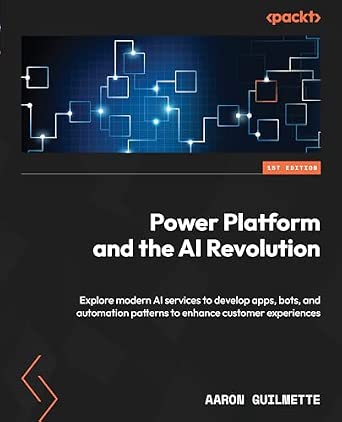 Power Platform and the AI Revolution: Explore Modern AI Services to Develop A…View on Amazon →
- 2
 Agentic AI for Platform Engineering: Rethinking Developer Platforms with Agen…View on Amazon →
- 3
 Building Autonomous Data Platforms with AIView on Amazon →
- 4
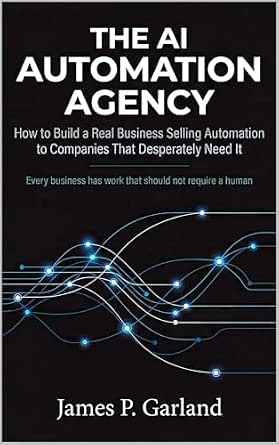 The AI Automation Agency: How to Build a Real Business Selling Automation to…View on Amazon →
- 5
 The AI Automation Blueprint: Building Systems and Income with AI-Powered Auto…View on Amazon →
- 6
 100 AI Automations That Save You 10 Hours a Week: How to Use Artificial Intel…View on Amazon →
- 7
 AI Tools and Platforms: A Comprehensive Guide to Machine Learning, Automation…View on Amazon →
- 8
 n8n Automation Platform: Workflow Design and System IntegrationView on Amazon →
- 9
 OpenAI and AWS Bedrock: Build Production AI Applications with Agents, Chatbot…View on Amazon →
- 10
 AI Categories and AI Platforms: Demystify and Unclutter Your AI RoadmapView on Amazon →
- 11
 The AI Automation Playbook with Claude AI: A Practical Guide to Building Auto…View on Amazon →
- 12
 Microsoft Copilot Studio User Guide for Beginners 2026View on Amazon →
How Buyers Can Use the Guide
ThorstenMeyerAI.com’s comparison may help enterprise teams identify what kind of training they need before selecting a platform, but it should not be read as proof that one product performs better than another. For example, a book focused on Microsoft tools may fit a Microsoft-centered team while offering less help to a team operating across different ecosystems.
That distinction affects procurement and implementation. Teams can use the resources to frame questions about workflow complexity, integration access, team skills and governance, then test candidate software against a representative business process. The source cautions that a connector directory alone does not establish whether the required actions, fields, authentication and permissions are supported.
For enterprise use, the practical consequences extend beyond initial setup. Organizations need to identify who will own, troubleshoot and review workflows after launch, and decide how to handle exceptions and sensitive data. ThorstenMeyerAI.com advises distinguishing deterministic tasks such as routing and validation from AI-driven decisions, and setting approval boundaries when agents can act across connected tools.
Products Worth Considering

Logitech MX Ergo S Advanced Wireless Trackball Mouse USB-C – Graphite

Ledger Flex Crypto Wallet with 2.8-Inch E Ink Touchscreen

Logitech MX Master 4 Ergonomic Wireless Mouse with Haptic Feedback, Graphite
As an affiliate, we earn on qualifying purchases.
What the 12 Picks Cover
ThorstenMeyerAI.com frames the list as a selection of learning resources, not software products. Its ranking puts broad, transferable platform guidance ahead of narrower books about a particular ecosystem or business goal. The site says specialized titles may still suit readers with matching needs, even if they rank lower for general platform selection.
That approach separates several topics that can be confused in buying research. As the source notes, workflow automation, platform engineering and data infrastructure involve related technical concerns but are not interchangeable. Likewise, books about building an automation agency may address business development rather than how to operate and govern enterprise workflows.
The material recommends beginning with a representative workflow and documenting its inputs, approvals, exceptions and destination. It advises buyers to test integration depth and permission requirements, consider how changes will be tested and maintained, and set limits on agent access. These are evaluation suggestions from ThorstenMeyerAI.com, not reported findings from a comparative software test.
Limits of the Published Comparison
The supplied ThorstenMeyerAI.com material does not provide a publication date, all 12 titles, a detailed scoring table or independent product-test data. It is therefore unclear how the titles compare on specific enterprise requirements such as deployment options, service levels, security certifications, pricing or measured reliability. The article’s title refers to “2027,” but the supplied material does not establish that the list is a forecast, a newly updated edition or a review of software available in that year.
The roundup does not identify interviews with enterprise buyers or platform vendors, or report findings from production deployments. Its descriptions and rankings should therefore be understood as ThorstenMeyerAI.com’s editorial assessment of books and guides. Readers will need to verify current software capabilities and organizational requirements directly before making a procurement decision.
Steps Before Choosing a Platform
ThorstenMeyerAI.com recommends comparing candidate platforms against a real, representative workflow rather than a polished demonstration. Teams can document required integrations, data access, approvals and failure handling, then check whether each platform supports those needs through native connectors, APIs, webhooks or custom code.
Before putting an automation into production, buyers should also assign an owner, review logging and error handling, and define how changes will be tested. For agent-based tasks, the source advises limiting permissions, deciding which actions require human approval and starting with low-impact work. The supplied material specifies no further ranking updates or follow-up testing.
Key Questions
Does this list rank 12 enterprise automation platforms?
No. ThorstenMeyerAI.com compares 12 books and guides intended to help readers choose or implement automation platforms; it does not benchmark 12 software products.
Which guide does the source rank first?
ThorstenMeyerAI.com names The AI Automation Blueprint as its broadest practical starting point, citing its coverage of workflows across Make, Zapier and n8n.
Who may prefer the n8n guide?
ThorstenMeyerAI.com describes n8n Automation Platform as a fit for readers who want focused, hands-on learning about workflow design and system integration.
What should enterprise buyers check before selecting software?
The roundup advises testing a representative workflow and checking integration depth, permissions, maintenance demands and governance. It also recommends setting limits and approval rules for agents that can take actions across connected systems.
Does the source provide independent performance results?
No independent software testing or measured enterprise performance results are included in the supplied material. ThorstenMeyerAI.com presents the ranking as an editorial comparison of learning resources.
Source: ThorstenMeyerAI.com