
📊 Full opportunity report: The AI Effect: CORVUS ISR Reduces Tracker ID Switches By 42% on ThorstenMeyerAI.com — validation score, market gap, and execution plan.
TL;DR
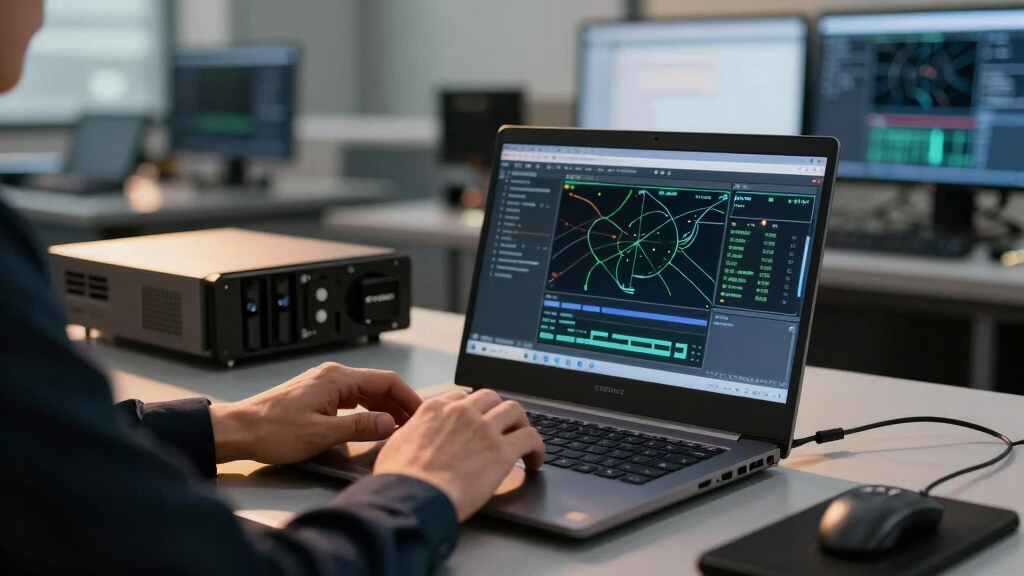
CORVUS ISR’s new model achieves a 42% reduction in tracker ID switches in synthetic benchmarks. This improvement enhances the reliability of wide-area motion imagery tracking systems. The results are based on a publicly available benchmark using synthetic scenes.
CORVUS ISR has achieved a 42.1% reduction in tracker ID switches in synthetic benchmarks, according to publicly published results. This development is significant for the field of wide-area motion imagery (WAMI) tracking systems, as it demonstrates substantial improvements in maintaining object identities over time, which is critical for surveillance and reconnaissance applications.
The benchmark, conducted by CORVUS ISR and made publicly accessible, used a synthetic scene with perfect ground truth, allowing precise measurement of multi-object tracking performance. The new model, referred to as the ‘confirmed-track auction,’ introduces enhancements such as track confirmation, three-tier auction association, velocity consistency gating, and confidence-decayed coasting. These features collectively contributed to reducing the number of identity switches from 2,042 to 1,183 per minute in a configuration with 150 moving objects at 2 frames per second.
In a denser scenario with 400 objects, the ID switches decreased from 14,032 to 8,040, representing a similar reduction of approximately 42.7%. The improvements remained consistent under various stress conditions, including lower frame rates, occlusions, and image jitter. The benchmark emphasizes measurement over marketing, with synthetic scenes providing perfect ground truth, ensuring the accuracy of these results. The tracker operates with real-time performance, averaging around 1.2 milliseconds per sensor tick, as detailed in the original analysis.
Impact of Reduced ID Switches on Tracking Reliability
The 42% reduction in tracker ID switches marks a significant advancement in multi-object tracking technology, especially for applications requiring high accuracy over wide areas. Fewer identity switches mean more reliable tracking of objects such as vehicles or personnel, which is vital for surveillance, defense, and border security. This progress demonstrates that sophisticated association algorithms can substantially improve performance without increasing computational load, maintaining real-time operation.
Moreover, the publicly available benchmark enables transparent evaluation and comparison of future trackers, fostering innovation and accountability in the development of AI-driven tracking systems. The results also highlight the importance of ongoing refinement in synthetic testing environments, where perfect ground truth allows precise measurement of algorithmic improvements.

4K Security Cameras Wireless Outdoor with local storage Base,No Subscription Required,Home Security Cameras System with 360° Pan&Tilt,Auto Tracking,5G & 2.4G Router Compatible,Solar-Powered,4 cam kit
360° Auto-Tracking + Cross-Camera Follow The camera spins 360° to follow motion by itself. With multiple cameras, tracking…
As an affiliate, we earn on qualifying purchases.
As an affiliate, we earn on qualifying purchases.
Synthetic Benchmarks as a Standard for Tracking Evaluation
CORVUS ISR’s benchmark uses a synthetic scene with fixed seed 1337, enabling reproducible testing of multi-object trackers. The baseline model, ‘greedy nearest-neighbour,’ served as a published floor, while the current ‘confirmed-track auction’ model incorporates advanced features for better association accuracy. These results build upon prior efforts to improve multi-object tracking, with synthetic environments providing a controlled setting for precise measurement.
The benchmark is designed to be transparent and reproducible, with open access to demo slices and the ability to run the same tests independently. This approach contrasts with proprietary evaluation methods and aims to set a new standard for measuring tracker performance objectively. The synthetic scenes are deliberately designed to stress test algorithms under various challenging conditions, such as occlusion, jitter, and low frame rates.
“The 42% reduction in identity switches demonstrates that the new tracking algorithm significantly improves object identity preservation in synthetic scenes.”
— an anonymous researcher
wide-area motion imagery (WAMI) tracking device
As an affiliate, we earn on qualifying purchases.
As an affiliate, we earn on qualifying purchases.
Uncertainties About Real-World Performance
It is not yet clear how these synthetic benchmark results will translate to real-world scenarios. While the synthetic environment provides perfect ground truth, real-world conditions introduce variability, noise, and unpredictability that could affect performance. Further testing in operational environments is needed to confirm the robustness of these improvements.
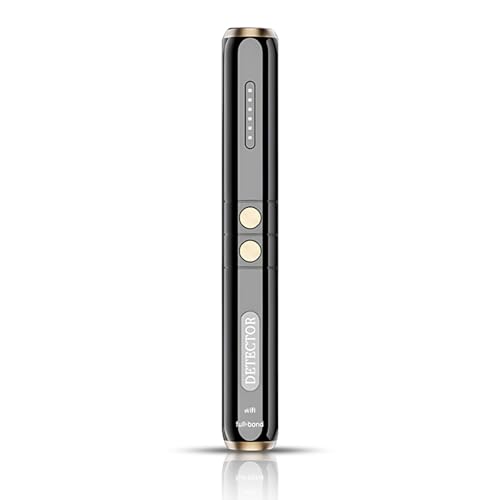
Hidden Camera Detectors – Small Anti Spy with Audio/Video GPS Tracker RF Detector for Wireless Cameras Cars Tracking Device – Mini Travel Pen for Finding Voice Recorder Bug Devices (Small Size)
✅【All-in-One Privacy Guardian for Total Peace of Mind】 Worried about hidden cameras or GPS trackers in hotel rooms,…
As an affiliate, we earn on qualifying purchases.
As an affiliate, we earn on qualifying purchases.
Next Steps for Tracking System Development
CORVUS ISR plans to continue refining its models and benchmarks, with upcoming releases expected to test performance under more complex and realistic conditions. Developers and users will likely focus on validating these improvements in live operational settings, alongside further benchmarking against other systems. The open benchmark approach will enable ongoing transparency and comparison.
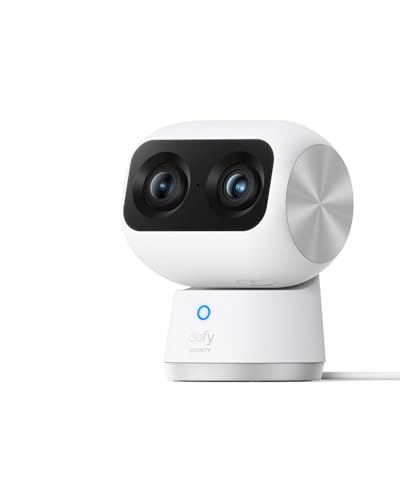
eufy Security 4K Indoor Cam S350, No Subscription, Dual Cameras, 8× Zoom, 360° Coverage, Works as a Pet Camera, Nanny/Senior/Baby Monitor, AI Auto-Tracking, Human/Pet/Cry Detection, 2.4/5 GHz Wi-Fi
𝐃𝐮𝐚𝐥-𝐋𝐞𝐧𝐬 𝟒𝐊 𝐕𝐢𝐞𝐰𝐬 | See a full-room view and close-up details on one screen. Whether watching kids play…
As an affiliate, we earn on qualifying purchases.
As an affiliate, we earn on qualifying purchases.
Key Questions
What is the significance of reducing tracker ID switches?
Reducing ID switches improves the accuracy and reliability of tracking systems, crucial for applications like surveillance, defense, and traffic monitoring where maintaining consistent object identities is essential.
Are these results applicable to real-world scenarios?
While promising, these results are based on synthetic benchmarks with perfect ground truth. Real-world environments may present additional challenges, and further testing is needed to confirm real-world applicability.
What features does the new tracking model include?
The ‘confirmed-track auction’ model includes track confirmation, three-tier auction association, velocity consistency gating, and confidence-decayed coasting, which collectively improve object identity preservation.
How can I verify these benchmark results myself?
The benchmark is publicly accessible; users can open the demo, press ‘Run benchmark,’ and reproduce the results directly in their browser without registration or NDA.
What are the limitations of synthetic benchmarks?
Synthetic benchmarks provide perfect ground truth but may not fully capture the complexity of real-world conditions, so real-world testing remains essential.
Source: ThorstenMeyerAI.com