
Trezor and Ledger have launched an open standard that aims to improve hardware wallet security through interoperability, transparency, and future-proof features. The standard promotes seamless compatibility, standard transaction displays, and auditable secure elements, helping you manage assets safely across different devices and platforms. It also prepares for emerging cryptographic threats with quantum-resistant algorithms and innovative hardware designs. Keep exploring to discover how this collaborative effort is shaping the industry’s future.
Key Takeaways
- Trezor and Ledger have announced an open standard to improve hardware wallet interoperability and user experience across the industry.
- The standard promotes unified security protocols, transaction displays, and asset management for seamless multi-platform use.
- It emphasizes transparency with auditable secure elements and open review of hardware components, enhancing trust and security.
- Future-proofing features include support for quantum-resistant cryptography and ongoing security updates.
- Industry collaboration and SDK releases aim to accelerate adoption, setting new benchmarks for security and usability.
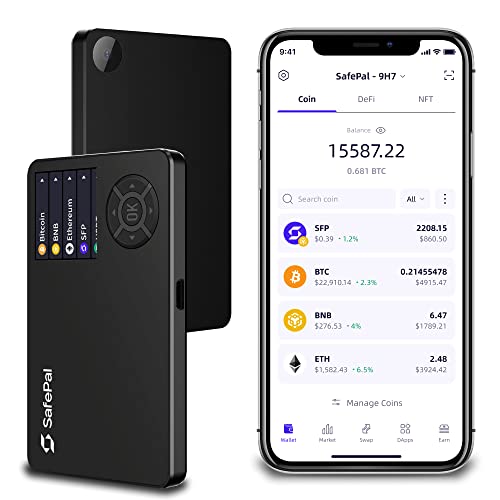
SafePal S1 Cryptocurrency Hardware Wallet, Open Source Crypto Wallet, Securely Stores Private Keys, Cold Storage for Bitcoin, Ethereum and More Tokens, NFTs, Seed Phrases & Crypto Assets
[100% off-line] SafePal S1 adopts an air-gapped signing mechanism, without any connection of Bluetooth, WiFi, NFC, or other…
As an affiliate, we earn on qualifying purchases.
As an affiliate, we earn on qualifying purchases.
Collaborative Vision for Interoperability and User Experience
The collaboration between Trezor and Ledger aims to create an open standard that markedly enhances interoperability and user experience across hardware wallets. You’ll benefit from seamless compatibility, meaning you can use different devices more easily within the same ecosystem, reducing barriers and simplifying management. Both companies recognize that clear, human-readable transaction details on device screens improve user confidence and reduce errors. By working together, they’re aiming to set a common framework that encourages wider industry adoption, making security features more consistent. This joint effort not only streamlines your interaction with crypto assets but also promotes transparency and trust. Ultimately, it’s about giving you more control, greater flexibility, and a more intuitive experience, regardless of which device you choose. Interoperability standards are essential for fostering innovation and ensuring the long-term success of digital asset security solutions.

Trezor Safe 7 – Crypto Hardware Wallet with Bluetooth, Color Touchscreen, Transparent Secure Element, Quantum-Ready (Charcoal Black)
Dual-chip architecture for maximum protection: The next-gen, fully auditable TROPIC01 chip works alongside a certified EAL6+ Secure Element—completely…
As an affiliate, we earn on qualifying purchases.
As an affiliate, we earn on qualifying purchases.
Emphasizing Transparency With Auditable Secure Elements
As industry leaders prioritize transparency, the introduction of auditable secure elements marks a significant shift in hardware wallet security. You now have the opportunity to review the chip architecture openly, thanks to Trezor’s Safe 7 featuring the TROPIC01 chip. This move away from closed-source components means you can verify how your secure element functions and assess its security claims. Ledger’s historically proprietary approach is evolving, emphasizing the importance of transparency alongside confidentiality. Both companies include secondary secure elements certified at EAL6+ to protect against physical and software attacks. By making secure elements auditable, you gain increased confidence in your device’s security, empowering you to independently verify its integrity and reduce reliance on trust alone. Cybersecurity vulnerabilities during the development and deployment of these devices highlight the importance of such transparency. This transparency ultimately enhances your control and trust in hardware wallet technology.

TANGEM Wallet Pack of 2 – Secure Crypto Wallet – Trusted Cold Storage for Bitcoin, Ethereum, NFT's & More Coins – 100% Offline Hardware Wallet
THE HIGHEST LEVEL OF SECURITY: Tangem Wallet generates the private key that never leaves the card. Your crypto…
As an affiliate, we earn on qualifying purchases.
As an affiliate, we earn on qualifying purchases.
Preparing for Quantum-Resistant Cryptography
With transparency and security now taking center stage, both Trezor and Ledger are shifting focus toward future-proofing their hardware wallets against emerging cryptographic threats. They’re exploring quantum-resistant algorithms to protect your assets as quantum computing advances. Trezor’s Safe 7 is marketed as “quantum-ready,” supporting post-quantum cryptography updates. Although details are limited, the collaboration hints at industry-wide adoption of quantum-safe standards. You’ll see efforts to integrate algorithms like lattice-based cryptography, which resist quantum attacks. Here’s a snapshot of potential approaches:
| Approach | Description |
|---|---|
| Post-Quantum Algorithms | Use of lattice-based, hash-based methods |
| Hardware Integration | Supporting quantum-resistant chips |
| Software Updates | Upgradable firmware for new cryptography |
Continued development in AI security aims to address the complexities associated with implementing these advanced cryptographic techniques.
Trezor Safe 7 – Crypto Hardware Wallet with Bluetooth, Color Touchscreen, Transparent Secure Element, Quantum-Ready (Charcoal Black)
Dual-chip architecture for maximum protection: The next-gen, fully auditable TROPIC01 chip works alongside a certified EAL6+ Secure Element—completely…
As an affiliate, we earn on qualifying purchases.
As an affiliate, we earn on qualifying purchases.
Innovations in Hardware Design and Usability Features
You’ll notice that recent hardware innovations focus on improving ease of use, like wireless charging and a vibrant touchscreen interface. These features make managing your crypto assets more intuitive and convenient, even on the go. However, they also raise questions about potential security risks and how manufacturers plan to address them. For example, ensuring the security of transaction data is crucial as these devices become more interconnected.
Wireless Charging Capabilities
Did you know that wireless charging is now making its way into hardware wallets like the Trezor Safe 7? This innovation adds convenience by eliminating the need for physical cables, allowing you to simply place the device on a Qi2-compatible charging pad. It streamlines setup and reduces wear on charging ports, enhancing durability. Wireless charging also promotes a cleaner, more modern design, fitting seamlessly into your digital ecosystem. However, it raises questions about security, as some worry about potential attack vectors through wireless power transfer. Trezor addresses this by implementing strict security measures and ensuring that wireless features don’t compromise the device’s core cold-storage purpose. Additionally, the integration of wireless charging reflects ongoing technological advancements in hardware design and usability features, marking a significant step forward in hardware wallet design.
Enhanced Touchscreen Interface
The integration of an enhanced touchscreen interface in the Trezor Safe 7 considerably advances hardware usability by providing a more intuitive and interactive user experience. You can easily verify transaction details, navigate menus, and confirm actions directly on the device’s vibrant 2.5-inch color screen. The interface offers precise haptic feedback, making interactions feel natural and responsive. Its sleek unibody aluminum design adds durability and elegance. Wireless features like Bluetooth and Qi2 charging are seamlessly integrated, although they introduce new security considerations. Here’s a quick look at the key features: Decoding Slang: Understanding Informal Language Today
Enhancing Ecosystem Integration and Software Compatibility
As the open standard develops, you’ll see improvements in how transaction details are displayed across devices, making them more consistent and user-friendly. Compatibility between Trezor and Ledger software will also become more seamless, allowing you to manage your assets more efficiently regardless of the device you use. Additionally, unified security protocols will help guarantee your assets are protected with consistent, reliable standards across the entire ecosystem. An emphasis on color accuracy in interface design will further enhance user experience and trust.
Standardized Transaction Displays
Standardized transaction displays are set to revolutionize how you interact with your hardware wallets by ensuring consistent, clear, and user-friendly information across devices and software platforms. With this standard, you’ll see uniform formats for transaction details, including amounts, addresses, and fees, making it easier to review and verify transactions quickly. No matter whether you’re using Trezor or Ledger, the information will be presented in a familiar, easy-to-understand way, reducing confusion and errors. This consistency helps streamline your experience across different apps and devices, improving security by minimizing misinterpretation. Additionally, standardized displays will facilitate smoother integration with third-party software and services, supporting better ecosystem interoperability and making your crypto management more reliable and efficient.
Cross-Device Software Compatibility
Cross-device software compatibility is set to considerably improve your experience by enabling seamless interaction between different hardware wallets and management platforms. With the new open standard, you’ll be able to use Trezor and Ledger devices more interchangeably, reducing fragmentation in your crypto ecosystem. This means managing your assets across multiple platforms becomes more straightforward, with standardized protocols ensuring consistent transaction displays and recovery processes. You’ll benefit from a unified interface, whether on desktop or mobile, simplifying your workflow. Compatibility also means faster updates and better integration, so your devices stay current with evolving features and security practices. Additionally, interoperability standards will facilitate smoother integration with third-party applications, expanding your options for crypto management. Ultimately, this standard aims to give you more control, flexibility, and confidence in your crypto management, regardless of the hardware wallet you choose.
Unified Security Protocols
Unified security protocols are shaping the future of hardware wallet interoperability by establishing consistent security measures across devices and management platforms. You’ll benefit from a seamless experience, with standardized authentication and transaction verification processes that work across Trezor and Ledger devices. This consistency reduces user confusion and minimizes security gaps caused by differing standards. By adopting a common framework, both companies aim to make software updates, recovery procedures, and transaction displays more compatible, regardless of the device you choose. It also enhances security by ensuring that core protections—like secure element integration and cryptographic practices—are uniformly applied. Additionally, compliance standards will be integrated to ensure regulatory adherence and bolster user trust. Ultimately, these protocols foster greater trust and confidence, empowering you to manage your crypto assets securely and effortlessly across multiple hardware wallets and ecosystem tools.
Industry Impact and Market Position of the Partnership

The collaboration between Trezor and Ledger marks a significant shift in the crypto security industry, positioning both companies as proactive leaders rather than mere competitors. This partnership challenges the traditional market dynamics, encouraging industry-wide standards that prioritize transparency, interoperability, and user trust. By jointly developing an open standard, they set a new benchmark for security and usability, influencing competitors and building confidence among users. Your awareness of this move signals a broader shift toward collaborative innovation in a sector historically marked by rivalry. The partnership not only strengthens both brands’ market positions but also signals a commitment to future-proofing crypto hardware. Additionally, such open standards can foster greater industry collaboration, which is vital for advancing technological advancements and ensuring consistent security practices across the sector. Overall, it elevates industry expectations and accelerates the adoption of more transparent, secure, and user-friendly wallet solutions.
Addressing Security Challenges and Future Threats
As Trezor and Ledger collaborate on a new open standard, addressing existing security challenges and preparing for future threats becomes more important than ever. You need to stay ahead of sophisticated attacks like supply chain compromises, physical tampering, and software vulnerabilities. Both companies focus on transparency, with Trezor’s auditable secure element and Ledger’s rigorous hardware protections. Quantum computing poses a growing threat, prompting efforts to incorporate post-quantum cryptography. You should look for devices that support future-proof algorithms and robust security features. The open standard aims to unify defenses, making it harder for attackers to exploit weaknesses. By emphasizing user control, transparency, and adaptable security measures, this collaboration seeks to safeguard your assets against evolving risks now and down the line.
Next Steps and Industry Adoption of the Open Standard
Industry adoption of the open standard will depend on how effectively Trezor and Ledger promote it across their ecosystems and encourage other manufacturers to follow suit. To accelerate adoption, you should expect coordinated marketing, developer support, and industry partnerships. Both companies may release SDKs and APIs to facilitate integration and encourage third-party device compliance. Education campaigns will likely highlight benefits like interoperability and transparency, convincing users and manufacturers to adopt the standard. Here’s a visual overview of key ideas:
| Initiative | Stakeholders | Outcomes |
|---|---|---|
| Developer Support | Hardware makers, devs | Faster integration, innovation |
| Industry Collaboration | Competitors, regulators | Greater standardization, trust |
| User Education | Crypto community | Increased adoption, confidence |
| Regulatory Engagement | Governments, compliance | Broader acceptance, legal clarity |
Frequently Asked Questions
Will the Open Standard Support Other Hardware Wallet Brands Beyond Trezor and Ledger?
Yes, the open standard is designed to support other hardware wallet brands beyond Trezor and Ledger. This means you could see more manufacturers adopting compatible security protocols, leading to better interoperability and user experience across devices. By establishing a common framework, the standard encourages innovation, transparency, and stronger security practices industry-wide. As a user, you’ll benefit from more choices and increased confidence in your hardware wallet’s safety and compatibility.
How Will the Collaboration Address Potential Security Risks of Wireless Connectivity?
Like Pandora opening her box, the collaboration aims to carefully address wireless security risks by implementing robust encryption protocols, layered defenses, and regular security updates. They’ll likely enhance device pairing methods, employ secure channels, and include hardware safeguards to prevent eavesdropping and unauthorized access. By proactively tackling these vulnerabilities, they aim to preserve user trust and security, ensuring wireless features bolster convenience without compromising the integrity of your crypto assets.
When Are the First Devices Implementing the Open Standard Expected to Launch?
The first devices implementing the open standard are expected to launch later this year or early next year. You can anticipate these updates as both companies finalize the specifications and begin mass production. Keep an eye on official announcements from Trezor and Ledger for precise release dates. This new standard aims to enhance security, interoperability, and user experience, so you’ll likely see innovative features and improved transparency in these upcoming devices.
Will There Be Certification Programs for Third-Party Hardware Wallets Adopting the Standard?
Yes, there will be certification programs for third-party hardware wallets adopting the standard. You can expect industry bodies or the collaborating companies to develop rigorous testing and certification processes, ensuring devices meet the new interoperability, security, and transparency benchmarks. These programs will help you identify trustworthy, standards-compliant wallets, giving you confidence in their security features and compatibility, ultimately promoting widespread adoption and improved user security across the ecosystem.
How Will Updates for Post-Quantum Cryptography Be Managed Across Devices?
Imagine your wallet as a fortress that’s evolving to withstand future invaders. Updates for post-quantum cryptography will be managed through a shared, secure process where device firmware can be upgraded via official channels. Both companies plan to deliver these updates seamlessly, ensuring your device stays protected as threats evolve. Think of it as a fortress that automatically adapts its defenses, keeping your assets safe in the face of emerging quantum challenges.
Conclusion
This open standard from Trezor and Ledger could reshape wallet security and user trust. Will industry adoption keep pace with evolving threats, or will this innovation set a new benchmark? By embracing transparency, interoperability, and quantum readiness, you’re positioned at the forefront of crypto security’s future. Don’t miss out—adopting this standard could be the key to staying ahead in a rapidly changing landscape. Are you ready to secure your assets with the best?