
You might have noticed the rising concerns about AI in the financial sector, especially after incidents like the recent $25 million fraud at Arup. Mike Armstrong highlights how AI, while beneficial for decision-making and market forecasting, also brings new systemic risks. As companies increasingly depend on AI, it's crucial to consider the implications. What steps should be taken to ensure responsible AI development in finance? The answers could reshape the industry's future.

As AI adoption skyrockets, concerns about its implications are becoming increasingly hard to ignore. You're likely aware that 55% of companies are already using AI, while 45% are exploring its implementation. This surge isn't just a trend; the global AI market is projected to grow by an impressive 38% by 2025, contributing a staggering $15.7 trillion to the global economy by 2030.
However, as with any technology, the rapid integration of AI comes with its own set of challenges and worries. In the financial and investment sectors, AI is transforming how decisions are made. Financial institutions are leveraging machine learning for enhanced data analysis and better market forecasting, but this doesn't come without risks. The fraud that occurred at Arup, amounting to $25 million, highlights the vulnerabilities in digital communication that can be exploited by malicious actors.
You might be concerned about the interpretability of AI models, especially since many are trained in periods of low volatility. When market shocks occur, these models may struggle, leading to systemic risks that could affect the entire financial system. Collaboration between tech and financial companies is essential for navigating these complexities, but it raises questions about who'll ultimately take responsibility when things go wrong. Furthermore, AI-driven predictive analytics can help in identifying potential risks before they escalate.
Moreover, the societal and economic impacts of AI adoption are significant. While AI is expected to eliminate 85 million jobs by 2025, it's also projected to create 97 million new ones. This dichotomy can leave you feeling uneasy, especially when you consider the reliance on AI for cost savings and competitive advantages.
Consumers, too, are expecting quicker service and enhanced personalization, pushing businesses to adopt AI at a rapid pace. But this shift can lead to higher employee turnover if not managed carefully. Surprisingly, companies that integrate AI often see higher job satisfaction and retention rates, yet this doesn't erase the potential for job displacement.
On the regulatory front, the growing need for responsible AI development can't be overstated. Issues around privacy, data accuracy, and the reliability of AI-generated content are on everyone's minds.
Parents are particularly concerned about AI's role in education, fearing the potential harm it might bring regarding privacy and content accuracy. The sophistication of AI-driven disinformation adds yet another layer of complexity, creating challenges as we navigate an increasingly post-truth world.
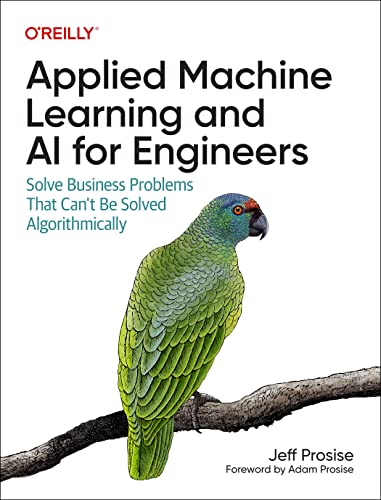
As an affiliate, we earn on qualifying purchases.

The Intelligent AI Investor: A Beginner’s Guide to Using AI Tools for Informed Investment Decisions, Risk Management, and Wealth Building (Trading & Investing Series)
As an affiliate, we earn on qualifying purchases.
As an affiliate, we earn on qualifying purchases.

Interpretable AI: Building explainable machine learning systems
As an affiliate, we earn on qualifying purchases.
As an affiliate, we earn on qualifying purchases.

The AI-Driven Financial Fraud Detection System: A technical guide to building and deploying advanced machine learning models
As an affiliate, we earn on qualifying purchases.
As an affiliate, we earn on qualifying purchases.