

To safeguard your crypto from quantum hacking, avoid reusing addresses and guarantee you use fresh ones for each transaction to minimize public key exposure. Transfer your assets to addresses from quantum-resistant cryptocurrencies or upgrade your wallets with post-quantum cryptography when available. Stay updated on blockchain upgrades and maintain strong key management practices. Taking these steps now helps secure your funds against future quantum threats; exploring further will reveal even more protective strategies.
Key Takeaways
- Use fresh, unused addresses for transactions to keep public keys hidden from quantum threats.
- Avoid address reuse and regularly generate new addresses for incoming funds.
- Transition assets to wallets supporting quantum-resistant cryptography before major network upgrades.
- Monitor developments in post-quantum cryptography and implement upcoming blockchain protocol updates promptly.
- Minimize exposure by moving funds from addresses that have revealed public keys or are vulnerable to quantum attacks.
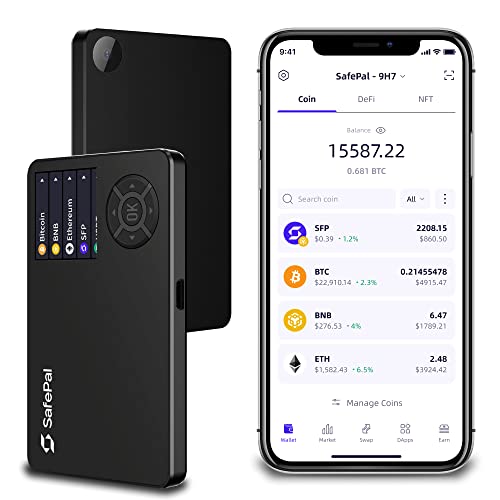
SafePal S1 Cryptocurrency Hardware Wallet, Open Source Crypto Wallet, Securely Stores Private Keys, Cold Storage for Bitcoin, Ethereum and More Tokens, NFTs, Seed Phrases & Crypto Assets
[100% off-line] SafePal S1 adopts an air-gapped signing mechanism, without any connection of Bluetooth, WiFi, NFC, or other…
As an affiliate, we earn on qualifying purchases.
As an affiliate, we earn on qualifying purchases.
Understanding the Quantum Threat to Crypto Assets
The quantum threat to crypto assets is real and imminent because powerful quantum computers could break the cryptographic algorithms that secure your digital holdings. Currently, many cryptocurrencies rely on public-key cryptography, like ECDSA, which quantum algorithms such as Shor’s can crack. Once this happens, private keys tied to known public addresses could be exposed, risking your funds. Only coins in addresses that haven’t been spent from are safe for now because their public keys aren’t revealed. Adversaries could harvest public data today and decrypt it later when quantum computers become capable. This “harvest-now-decrypt-later” approach means your past transactions or stored private keys could be vulnerable, especially if they’re stored insecurely or in legacy formats. Implementing quantum-resistant algorithms is essential for safeguarding your crypto assets. Staying informed is essential for safeguarding your crypto assets.

Ultimate Web Authentication Handbook: Strengthen Web Security by Leveraging Cryptography and Authentication Protocols such as OAuth, SAML and FIDO (English Editon)
As an affiliate, we earn on qualifying purchases.
As an affiliate, we earn on qualifying purchases.
Identifying Which Cryptocurrencies Are Most Vulnerable

Cryptocurrencies vary in their vulnerability to quantum attacks based on their address types and how they handle keys. Addresses that reveal public keys—like legacy Bitcoin P2PK or P2PKH after spending—are most at risk because quantum computers can potentially derive private keys from these exposed public keys. Coins stored in addresses that haven’t been spent from remain safer, as their public keys are hidden until a transaction occurs. Cryptos using advanced, quantum-resistant algorithms, such as Quantum Resistant Ledger (QRL), are less vulnerable. However, most major cryptocurrencies like Bitcoin and Ethereum rely on ECDSA or similar schemes not yet quantum-proof. Identifying which assets are in exposed addresses helps you prioritize moving funds or adopting protective measures before quantum threats materialize. Additionally, understanding the address types associated with your holdings can help you assess their vulnerability more accurately.

Trezor Safe 7 – Crypto Hardware Wallet with Bluetooth, Color Touchscreen, Transparent Secure Element, Quantum-Ready (Charcoal Black)
Dual-chip architecture for maximum protection: The next-gen, fully auditable TROPIC01 chip works alongside a certified EAL6+ Secure Element—completely…
As an affiliate, we earn on qualifying purchases.
As an affiliate, we earn on qualifying purchases.
Recognizing At-Risk Address Types and Wallets

Certain address types and wallet practices expose your crypto assets to quantum risks, especially when public keys are revealed or reused. To identify at-risk wallets, focus on these key points:
- Addresses where public keys are exposed after spending, such as legacy P2PK or re-used P2PKH addresses.
- Wallets that reuse addresses, increasing the chance of public key exposure.
- Inactive or lost wallets with private keys still accessible, which could be targeted if quantum computers advance.
- Addresses generated from outdated or non-quantum-resistant cryptography methods.

TANGEM Wallet Pack of 2 – Secure Crypto Wallet – Trusted Cold Storage for Bitcoin, Ethereum, NFT's & More Coins – 100% Offline Hardware Wallet
THE HIGHEST LEVEL OF SECURITY: Tangem Wallet generates the private key that never leaves the card. Your crypto…
As an affiliate, we earn on qualifying purchases.
As an affiliate, we earn on qualifying purchases.
Transitioning to Quantum-Resistant Cryptography
To stay ahead of quantum threats, you need to focus on developing new algorithms that are resistant to quantum attacks. Implementing blockchain upgrades and ensuring system flexibility are essential to smoothly shift without disrupting existing assets. By prioritizing these points, you can better prepare your crypto infrastructure for a secure, quantum-resistant future. Additionally, understanding potential vulnerabilities in your current security protocols can help you identify weak points that need reinforcement before transitioning.
Developing New Algorithms
As the threat of quantum computers grows, developing new algorithms becomes essential to guarantee long-term cryptographic security. You need innovative solutions that resist quantum attacks and protect your assets. Here are key developments to watch:
- Hash-based signatures: Offer quantum resistance by relying on the security of hash functions, making them ideal for digital signatures.
- Lattice-based cryptography: Uses complex mathematical structures that are difficult for quantum algorithms to solve, suitable for public-key encryption.
- Code-based cryptography: Leverages error-correcting codes, providing a strong foundation for secure communication in a post-quantum world.
- Multivariate cryptography: Employs systems of polynomial equations that remain hard for quantum computers to crack.
- Post-Quantum Cryptography Standards: Industry efforts are underway to establish standardized algorithms that will ensure cryptographic resilience against quantum threats in the future.
Implementing Blockchain Upgrades
Implementing blockchain upgrades to adopt quantum-resistant cryptography is a critical step toward safeguarding assets in a future where quantum computers may compromise current security protocols. You need to plan for network hard forks or protocol updates to replace vulnerable algorithms with quantum-safe alternatives, such as hash-based or lattice-based cryptography. This process involves coordinated community consensus to ensure smooth transitions without disrupting the network. You should also prepare your wallets and infrastructure for these upgrades, moving funds to addresses utilizing quantum-resistant schemes. Staying informed about ongoing standardization efforts, like NIST’s PQC standards, helps you anticipate when upgrades will become available. Proactively executing these changes now reduces the risk of future quantum attacks and preserves the integrity of your crypto holdings.
Ensuring System Flexibility
Ensuring your system remains adaptable is essential as the crypto landscape shifts toward quantum-resistant solutions. To stay ahead, you should focus on:
- Implementing cryptographic agility, allowing quick updates to encryption protocols.
- Regularly monitoring developments in PQC standards and blockchain upgrades.
- Using multi-layer security approaches that combine traditional and quantum-resistant methods.
- Maintaining flexible wallet infrastructure, capable of migrating assets seamlessly.
- Verifying the authenticity of security solutions by researching brand reputation and certifications trustworthiness of Patchology.
Moving Funds to Safer, Fresh Addresses
To protect your crypto assets from future quantum threats, you should transfer funds to new, unused addresses. Reusing addresses increases the risk of exposing your public keys, making your funds vulnerable to quantum decryption. Always generate fresh addresses for each transaction to minimize your exposure and stay ahead of potential attacks. Implementing wall organization systems can help you better manage and secure your addresses, reducing overall risk.
Use New Addresses
Have you considered how reusing addresses can increase your crypto vulnerability to quantum attacks? Reusing addresses exposes your public key, making it easier for future quantum computers to crack your private key. To minimize risks, you should:
- Generate new, unique addresses for each transaction.
- Transfer funds from old addresses to fresh ones regularly.
- Avoid reusing addresses after spending funds.
- Use wallets that support multi-address management for seamless updates.
Implementing best practices in address management can further enhance your security against emerging quantum threats.
Avoid Address Reuse
Avoid reusing addresses to reduce your vulnerability to quantum attacks. When you reuse addresses, your public key becomes exposed after spending, making it easier for quantum computers to crack your private key in the future. To stay safer, always generate new addresses for each transaction and move funds to fresh addresses regularly. This minimizes the risk of your private keys being decrypted if quantum computers advance. Additionally, staying informed about retail hours and services can help you manage your crypto-related purchases and secure hardware wallets or accessories when needed.
Avoiding Address Reuse to Minimize Exposure

Reusing addresses in your crypto transactions considerably increases your vulnerability to quantum attacks. When you reuse an address, the public key becomes exposed after the first transaction, giving quantum computers a target to crack. To minimize exposure, follow these steps:
Reusing addresses exposes your public key, increasing vulnerability to quantum attacks. Always generate new addresses for each transaction.
- Generate a new address for each incoming transaction.
- Avoid sending multiple transactions from the same address.
- Use fresh addresses for withdrawals and transfers.
- Never reuse addresses that have already been spent from.
- Regularly update your wallet software to incorporate security improvements.
Staying Informed on Quantum Computing Advancements

Staying informed about advancements in quantum computing is essential for safeguarding your crypto assets, as rapid developments could soon impact cryptographic security. You need to track progress through reputable sources like scientific journals, industry reports, and announcements from leading tech companies. Follow updates from organizations like NIST, which are working on standardizing post-quantum cryptography algorithms. Join industry forums, participate in blockchain communities, and subscribe to newsletters focused on quantum research. Being aware of breakthroughs helps you anticipate when vulnerabilities might emerge and plan timely migrations to quantum-resistant solutions. Regularly reviewing security practices and staying current with technological trends ensures you’re better prepared for the quantum era, minimizing the risk of being caught off guard by future cryptographic challenges. Additionally, understanding the basics of cryptographic security and its potential vulnerabilities can help you make informed decisions about protecting your assets.
Exploring Quantum-Resistant Blockchain Solutions

Quantum-resistant algorithms are essential for securing blockchain networks against future threats, but choosing the right ones requires careful consideration. Shift strategies, including upgrades and hard forks, will play a key role in adopting these new cryptographic standards. Staying informed and prepared guarantees your assets remain protected as the industry shifts toward quantum-safe solutions.
Quantum-Resistant Algorithms
Have you considered how blockchain networks can stay secure in a future dominated by quantum computing? Quantum-resistant algorithms are essential to defend against future threats. These algorithms use different mathematical foundations that are hard for quantum computers to crack. Here’s what you should know:
- They include hash-based, lattice-based, and code-based cryptosystems, designed specifically for quantum resistance.
- NIST is actively standardizing these algorithms for widespread adoption.
- Some projects, like Quantum Resistant Ledger (QRL), already implement quantum-safe signatures.
- Switching requires community consensus and possibly hard forks to replace vulnerable algorithms.
Transition Strategies
As quantum threats become more imminent, blockchain networks must actively adopt shift strategies to implement quantum-resistant solutions. One effective approach is upgrading protocols with post-quantum cryptography (PQC), replacing vulnerable algorithms like ECDSA with quantum-safe alternatives such as lattice-based or hash-based signatures. Communities can facilitate this transition through hard forks or network upgrades, ensuring compatibility with new standards. Additionally, adopting crypto-agile systems allows seamless updates as PQC standards evolve. To minimize exposure, move funds to fresh addresses before implementing upgrades, avoiding address reuse. Monitoring advancements in quantum computing and PQC adoption helps you stay ahead. Investing in or supporting quantum-resistant cryptocurrencies can also safeguard your assets long-term. These strategies collectively create a proactive shield against future quantum risks.
Preparing for Protocol Upgrades and Network Forks
Preparing for protocol upgrades and network forks is essential to guarantee your crypto assets remain secure in a rapidly evolving threat landscape. These events enable blockchains to implement quantum-resistant features and fix vulnerabilities. To stay prepared:
- Stay informed about upcoming upgrades and forks through official channels.
- Ensure your wallets and tools support the latest protocol versions.
- Transfer funds to addresses compatible with upgraded networks before forks occur.
- Test your assets on testnets or with small transactions to confirm compatibility.
Implementing Best Practices for Long-Term Crypto Security

Implementing best practices for long-term crypto security starts with adopting habits that minimize your exposure to quantum threats. First, always generate new addresses for each transaction and avoid reusing addresses or public keys. Moving funds from legacy addresses with exposed public keys to fresh ones reduces vulnerability. Keep private keys offline in secure, hardware wallets or cold storage, especially for long-term holdings. Stay informed about developments in quantum-resistant cryptography and consider transitioning to cryptocurrencies that use PQC algorithms. Regularly monitor industry updates and upgrade protocols as new standards emerge. Practice strong key management, and avoid sharing sensitive information. By maintaining these habits, you significantly lower your risk of quantum attacks, safeguarding your assets well into the future.
Frequently Asked Questions
How Long Do I Have Before Quantum Computers Can Crack My Crypto?
You probably have until around 2026 to 2031 before quantum computers could crack your crypto, but it’s uncertain. Experts estimate a growing risk as technology advances rapidly. To stay safe, move your funds to new addresses, avoid reuse, and stay updated on quantum-resistant solutions. Act now to minimize exposure because once quantum computers are powerful enough, old public keys could be vulnerable, and your funds may be at risk.
Are Hardware Wallets Immune to Quantum Attacks?
Hardware wallets aren’t inherently immune to quantum attacks. While they store private keys offline, if your wallet uses legacy encryption or addresses with exposed public keys, a future quantum computer could potentially crack those keys. To enhance security, switch to addresses with unknown public keys, use quantum-resistant cryptocurrencies, and keep your firmware updated. Staying informed about advances in quantum-resistant cryptography helps make certain your assets stay protected in the long run.
Can Mixing or Coinjoin Techniques Protect Against Quantum Decryption?
Mixing or CoinJoin techniques don’t fully protect you from quantum decryption because they primarily obscure transaction links but don’t change the vulnerability of addresses with exposed public keys. If your funds are in addresses that reveal your public key, a future quantum computer could still target them. To better safeguard your assets, move your coins to new, unused addresses and avoid address reuse, reducing your overall exposure.
What Are the Best Quantum-Resistant Cryptocurrencies to Consider?
You should consider quantum-resistant cryptocurrencies like Quantum Resistant Ledger (QRL), which uses hash-based signatures designed for quantum security. While many major coins like Bitcoin and Ethereum rely on vulnerable algorithms, these newer projects aim to withstand quantum threats. Keep in mind, the field’s evolving, so stay updated on developments. Moving to such coins now can help protect your assets as quantum computing advances, ensuring your holdings remain secure long-term.
Will Quantum-Resistant Protocols Be Backward Compatible With Existing Addresses?
Quantum-resistant protocols generally won’t be backward compatible with existing addresses. You need to generate new, quantum-safe addresses because current addresses use vulnerable cryptography that quantum computers could crack. To stay secure, move your funds to fresh addresses that utilize quantum-resistant algorithms. Keep an eye on updates from your crypto community, and be prepared for potential protocol upgrades or forks to implement these new standards across your assets.
Conclusion
To safeguard your crypto assets, stay proactive and stay ahead of the curve. Keep up with quantum advancements and act before it’s too late—don’t leave your digital treasures hanging by a thread. Shift to quantum-resistant solutions and adopt best practices now; otherwise, you might find yourself chasing your tail when vulnerabilities emerge. Remember, in the crypto world, you’re only as strong as your last defense. Stay vigilant, and your investments will thank you.