

To store crypto records for tax time, you should back up all transaction details, wallet data, and exchange reports securely offline, using hardware wallets or encrypted drives. Keep digital copies organized in folders and make physical copies if needed. Regularly update your records to avoid last-minute stress. Use strong passwords and two-factor authentication for added security. Continuing further will show you detailed tips to maintain organized, compliant records with confidence.

Get hardware and tech essentials delivered free with Prime
- Fast, free delivery on millions of items
- Prime Video, Amazon Music and more included
- Member-only deals all year
Key Takeaways
- Regularly back up wallet data and store copies securely offline, such as on hardware wallets or external drives.
- Export and organize transaction reports from exchanges and wallets, keeping digital and physical copies.
- Maintain detailed records of all mining income, expenses, and payouts for accurate tax reporting.
- Use secure, encrypted storage solutions and strong passwords to protect sensitive crypto information.
- Keep recovery phrases in a safe, separate location to prevent loss and unauthorized access.
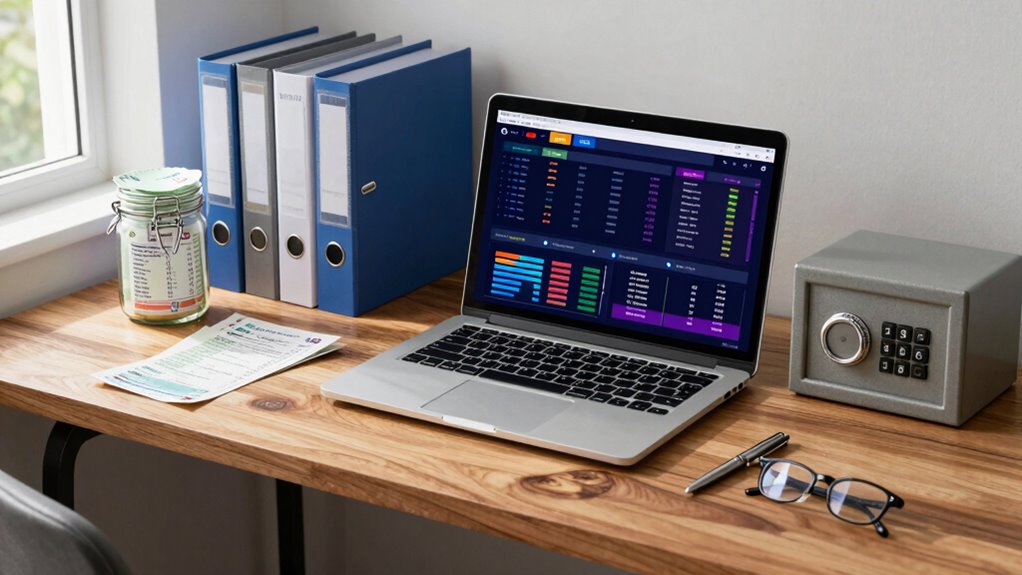
When it’s time to file your taxes, having organized crypto records can save you a lot of stress and potential errors. Keeping track of your transactions, mining documentation, and wallet activity is essential for accurate reporting and avoiding penalties. Starting by gathering all your mining documentation, which includes records of your mining hardware setup, electricity costs, and mining pool payouts. These details are crucial because they help determine your cost basis and mining income, both of which impact your tax obligations. Make sure to preserve proof of mining expenses and income, as this documentation can support your calculations if questions arise during audits.
In addition to mining records, maintaining a detailed log of your wallet activity is vital. Your wallet security should be a top priority, so regularly back up your wallet data and store copies securely offline. This minimizes the risk of losing access to your funds and ensures that you have a record of every transaction. When storing crypto records, consider using a secure, encrypted storage solution like a hardware wallet or an external encrypted drive. Avoid leaving sensitive information on cloud services or unsecured devices, as these can be targeted by hackers. Proper wallet security not only protects your assets but also guarantees that your transaction history remains intact and accessible for tax purposes. Additionally, understanding the importance of secure storage can help you safeguard your records from potential cyber threats.
Organize your transaction history by exporting reports from your exchange accounts and wallet software. Many platforms offer downloadable statements that detail every buy, sell, transfer, and trade. Keep these records in a dedicated folder, both digitally and in physical form if needed. This way, you can quickly access the data when preparing your tax return. Regularly updating your records prevents last-minute scrambles and reduces errors. It’s also wise to document any hard forks or airdrops, as these can have tax implications. Keeping a clear, chronological record ensures you capture all taxable events accurately. Additionally, understanding the role of contrast ratio in projectors can help you optimize your setup if you’re using crypto mining hardware in a dedicated home theater or workspace. Moreover, maintaining a comprehensive record-keeping system throughout the year can streamline your tax preparation process and help you stay compliant with regulations.
Finally, stay vigilant about your wallet security habits. Use strong, unique passwords for each crypto account, enable two-factor authentication where possible, and keep your recovery phrases in a safe place. These practices help prevent unauthorized access and ensure your records are safe and complete. Consistent, secure record-keeping throughout the year will make tax season much smoother, and being aware of regulatory compliance can help you stay within legal requirements. Incorporating affiliate disclosures into your record-keeping and reporting processes can also promote transparency and trust with your tax preparer and audit officials. When you prioritize organized records and wallet security now, you’re setting yourself up for a hassle-free tax filing process and peace of mind.
hardware wallet for crypto storage
As an affiliate, we earn on qualifying purchases.
As an affiliate, we earn on qualifying purchases.
Frequently Asked Questions
How Long Should I Keep My Crypto Records?
You should keep your crypto records for at least three to seven years, depending on your country’s tax regulations. This guarantees you have documentation for any tax implications and helps verify record accuracy if audited. Staying organized and retaining your transaction history keeps you prepared for potential questions from tax authorities. Regularly update and securely store your records, so you’re always ready to provide proof of your crypto activities when needed.
Can I Use Spreadsheets to Track Crypto Transactions?
Yes, you can use spreadsheets to track your crypto transactions, especially if you keep detailed records from your crypto wallet and exchange accounts. While some worry about manual entry errors, spreadsheets offer flexibility and customization. Regularly update your records, including buy/sell dates, amounts, and prices. This approach helps you stay organized and simplifies tax reporting. Just make certain your spreadsheets are backed up and secure to protect sensitive information.
What Software Is Best for Storing Crypto Records?
You should consider using specialized software like CoinTracker or Blockfolio, which integrates well with your cryptocurrency wallets and simplifies tax reporting. These tools automatically sync your transactions, ensuring accurate records. They help you track gains, losses, and holdings seamlessly. By using such software, you avoid manual errors and keep organized records, making tax time much easier and ensuring compliance with regulations.
How Do I Handle Lost or Deleted Transaction Data?
Losing or deleting transaction data feels like losing a treasure chest, but don’t panic! You should immediately explore backup strategies—think of them as your safety net—and use data recovery tools to rescue your crucial records. Regular backups are your best defense, ensuring you can restore lost info quickly. Keep your backup copies updated and stored securely to avoid stressful data mishaps during tax season.
Are There Legal Requirements for Crypto Record Storage?
Yes, there are legal requirements for crypto record storage. You need to guarantee legal compliance by keeping accurate and detailed transaction records, as authorities may request them. At the same time, consider privacy concerns; store your data securely to protect sensitive information. Using reliable storage methods, like encrypted digital backups or secure physical copies, helps you meet legal standards while safeguarding your privacy.
As an affiliate, we earn on qualifying purchases.
Conclusion
Storing your crypto records properly is like planting seeds for a smooth tax season. Keep your logs organized, backed up, and easily accessible, so you’re not scrambling when tax time comes knocking. With diligent record-keeping, you’ll turn the chaos into clarity and avoid surprises. Stay proactive now, and you’ll sail through tax season with confidence, knowing your financial garden is well-tended and ready to flourish when it’s time to harvest.
secure crypto wallet backup device
As an affiliate, we earn on qualifying purchases.
As an affiliate, we earn on qualifying purchases.
cryptocurrency transaction report organizer
As an affiliate, we earn on qualifying purchases.
As an affiliate, we earn on qualifying purchases.
Halloween Picks
halloween
As an affiliate, we earn on qualifying purchases.