
TL;DR

Get hardware and tech essentials delivered free — and shop member deals
- Fast, free delivery on millions of items
- Access to Prime Big Deal Days deals on October 6–7
- Prime Video, Amazon Music and more included
Crypto hardware wallets store private keys offline, offering high security against hacking. Recent upgrades include biometric security and integration with DeFi and NFTs. Choosing the right device and proper use are key to safeguarding your investments.
Imagine holding your digital wealth in a safe that’s almost impossible to crack—no internet, no hacking. That’s what a crypto hardware wallet does. It transforms your crypto storage from a vulnerable online account into a fortress of physical security.
If you’re serious about protecting your crypto, understanding these devices isn’t just smart—it’s essential. In this article, you’ll see what makes hardware wallets stand out, explore the latest features, and get practical tips to keep your assets safe.
Hardware wallets store private keys offline, making them the safest way to hold long-term crypto.
Recent models now include biometric security and support for DeFi and NFTs, expanding utility.
Always purchase from reputable sources and never share your recovery seed.
Choosing the right device depends on supported assets, connectivity, and budget.
Proper setup and handling of recovery information are crucial to avoid losing assets.
What Exactly Is a Crypto Hardware Wallet—and Why You Need One
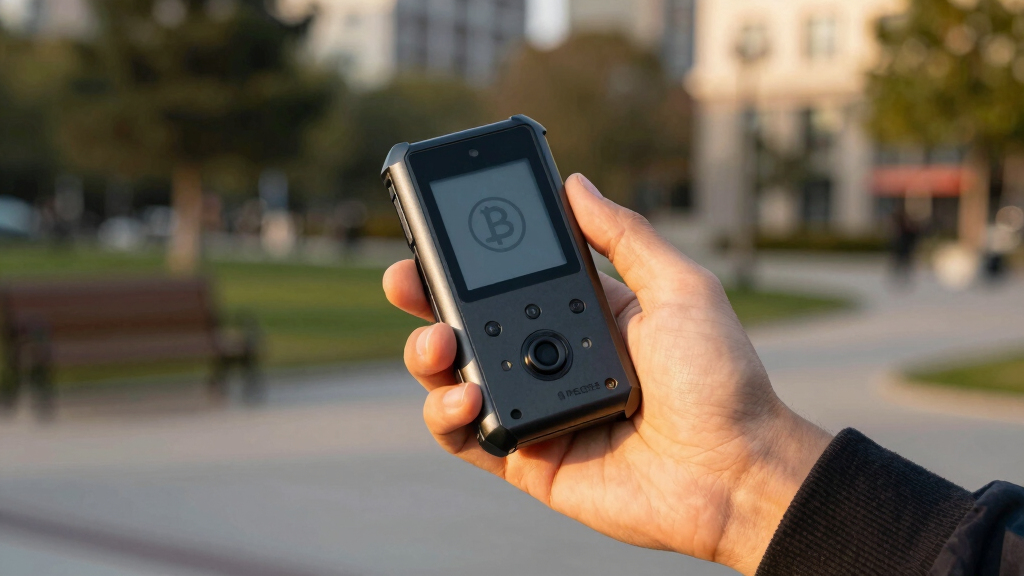
Crypto hardware wallets are physical devices designed to securely store private keys offline. Think of them like a high-tech safe—your private keys never leave the device, even when you’re making a transaction. This isolation makes them far more secure than leaving your crypto on an exchange or hot wallet.
For example, if you own Bitcoin worth over $10,000, a hardware wallet like Ledger Nano X can keep it away from hackers lurking online. They’re especially popular among long-term holders who want peace of mind.
Without a hardware wallet, you risk losing everything if your hot wallet gets hacked or your exchange collapses. Hardware wallets dramatically reduce this threat, making them a must-have for serious investors.
Crypto hardware wallet Ledger Nano X
As an affiliate, we earn on qualifying purchases.
As an affiliate, we earn on qualifying purchases.
How Hardware Wallets Keep Your Crypto Safe — Inside the Device
When you store crypto on a hardware wallet, the private keys stay locked inside a secure chip, never exposed to the internet. This chip acts like a digital vault—its tamper-resistant features prevent unauthorized access and physical attacks. This security measure is critical because private keys are the master access points to your assets; if compromised, your entire holdings could be at risk.
Most devices incorporate PINs and passphrases as additional layers of protection. If someone physically steals your device, they’d need your PIN to access the funds. The recovery seed—a sequence of 12 or 24 words—serves as a backup, allowing you to restore your wallet on a new device if needed. This dual-layer approach balances security with recoverability, but it also introduces tradeoffs: storing the seed securely is crucial, as losing it means losing access to your assets forever.
For instance, Ledger’s Secure Element chip is designed to resist physical tampering, similar to how bank card readers detect fraud attempts. This layered security approach is essential because it creates multiple hurdles for potential attackers, making hardware wallets highly resilient against various attack vectors.
As an affiliate, we earn on qualifying purchases.
Compare Top Hardware Wallets — Which One Fits Your Needs?
| Feature | Ledger Nano X | Trezor Model T | KeepKey |
|---|---|---|---|
| Price | $119 | $169 | $49 |
| Connectivity | Bluetooth & USB | USB | |
| Supported Assets | Over 1,800 cryptocurrencies | Over 1,600 cryptocurrencies | Supports Bitcoin, Ethereum, others |
| Security Features | Secure Element, biometric option | ||
| Ease of Use | Mobile & desktop apps |
As an affiliate, we earn on qualifying purchases.
What’s New? The Latest in Hardware Wallet Tech
Recent updates have made hardware wallets smarter, faster, and more secure. Biometric options like fingerprint scanners now offer quick access without sacrificing safety. Devices like Ledger Nano X and Trezor Model T support interaction with DeFi apps and NFTs, expanding what you can do without exposing private keys.
Wireless Bluetooth connectivity is becoming standard, offering convenience—imagine managing your crypto on your phone during a coffee break, without plugging in.
Open-source firmware is gaining traction, inviting community reviews and transparency, which builds trust and uncovers vulnerabilities early. Plus, eco-minded manufacturers are using sustainable materials, making these devices greener than ever.
secure offline crypto storage device
As an affiliate, we earn on qualifying purchases.
As an affiliate, we earn on qualifying purchases.
How to Set Up and Use Your Hardware Wallet in a Few Easy Steps
- Buy from a reputable source to avoid counterfeits.
- Connect your device to your computer or phone.
- Follow the prompts to initialize, creating a new recovery seed.
- Set a strong PIN or passphrase.
- Download and install the companion app (Ledger Live, Trezor Suite).
- Transfer your crypto to the new wallet address generated.
For example, Ledger’s setup guides walk you through each step, making the process straightforward even if you’re new to crypto. Remember, your recovery seed is your safety net—never share it, and keep it in a secure, offline location.
Risks and Mistakes—What Can Still Go Wrong?
Despite their security, hardware wallets are not foolproof. Supply chain attacks have occurred—some devices shipped with pre-installed malware—highlighting the importance of sourcing devices from trusted manufacturers and verifying authenticity. If you purchase a counterfeit or compromised device, all the security features are rendered ineffective, exposing your assets to theft.
Misplacing your recovery seed is another significant risk. Imagine losing your wallet and seed—your assets could be gone forever. Keep the seed offline and in a secure location, like a safe deposit box, and consider multiple copies in different secure locations to mitigate risk.
And beware of phishing—scammers may try to trick you into revealing your seed or PIN. Always verify the website or app before entering sensitive info, and be cautious of unsolicited requests. Remember, a single mistake can compromise your entire crypto holdings, so vigilance is key.
“A hardware wallet is only as secure as how you handle your recovery seed.”
Frequently Asked Questions
Are hardware wallets completely secure?
While they are the most secure way to store crypto offline, no device is perfect. Vulnerabilities can come from supply chain tampering, user mishandling, or compromised seeds. Proper precautions are essential to maximize security.
Which hardware wallet is best for beginners?
Most beginners find Ledger Nano S or Ledger Nano X user-friendly and reliable. Trezor Model T is also popular for its intuitive interface and open-source firmware. Choose based on supported assets and budget.
How do I recover my crypto if my wallet gets lost or damaged?
Use your recovery seed—always written down and stored offline—to restore your assets on a new compatible device. This seed is your ultimate backup, so keep it safe and private.
Can I use a hardware wallet with multiple cryptocurrencies?
Yes, most hardware wallets support dozens or even thousands of tokens, including Bitcoin, Ethereum, and many altcoins. Check compatibility before purchase for your specific assets.
What should I do if I suspect my device is compromised?
If you suspect tampering or theft, immediately transfer your assets to a new wallet and generate a new recovery seed. Contact the manufacturer for support and consider replacing the device.
Conclusion
Crypto hardware wallets are more than just devices—they’re your digital treasure chests, designed to keep your wealth safe from today’s cyber threats. As technology advances, so do their features, making security easier and more robust than ever.
Investing in a hardware wallet isn’t just about buying a gadget; it’s about building peace of mind. Keep your seed safe, stay updated on new features, and remember—security starts with you.
Halloween Picks
halloween
As an affiliate, we earn on qualifying purchases.