
TL;DR

Get hardware and tech essentials delivered free with Prime
- Fast, free delivery on millions of items
- Prime Video, Amazon Music and more included
- Member-only deals all year
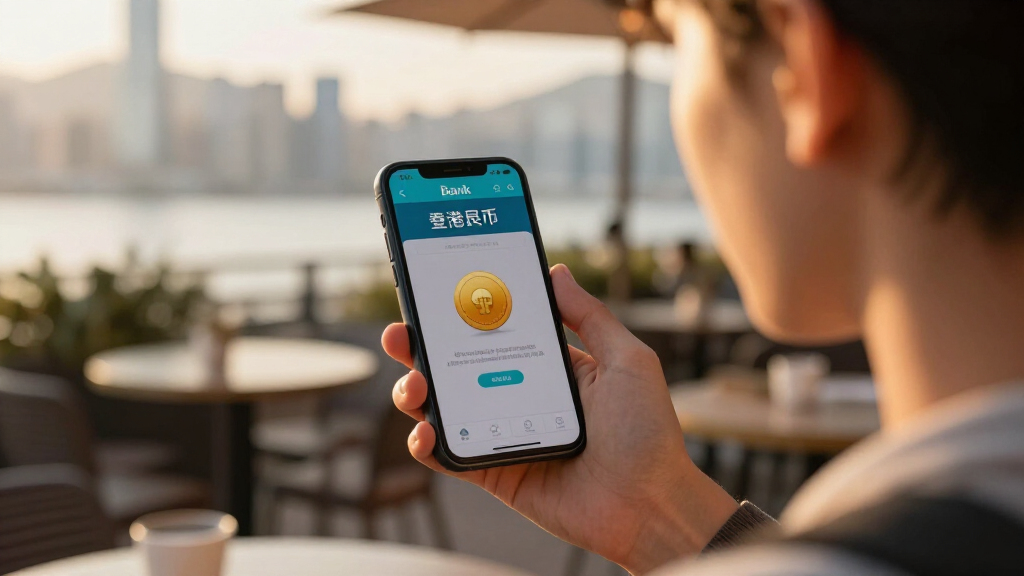
Standard Chartered has announced it is the first bank to distribute a Hong Kong dollar stablecoin. This development signals a major move toward integrating digital currencies into mainstream banking. The initiative aims to enhance transaction efficiency and expand digital financial services.
Standard Chartered has become the first bank to distribute a Hong Kong dollar stablecoin, a move that could reshape digital currency use in mainstream banking. The bank announced this development on March 15, 2024, highlighting its efforts to integrate digital assets into its financial services. This initiative is significant as it marks a departure from traditional banking practices and signals increased acceptance of stablecoins within regulated financial institutions.
The Hong Kong Monetary Authority (HKMA) has approved Standard Chartered’s distribution of a stablecoin pegged to the Hong Kong dollar, known as HKD Coin. The stablecoin is designed to facilitate faster, more efficient cross-border transactions and improve settlement processes. According to a statement from Standard Chartered, the stablecoin will initially be used in pilot programs for corporate clients, with plans to expand its use to retail customers in the future.
The bank emphasized that the stablecoin is fully backed by fiat reserves, ensuring its stability and compliance with regulatory standards. The initiative is part of Standard Chartered’s broader strategy to leverage blockchain technology and digital assets to enhance banking services and stay competitive in the evolving financial landscape.
Industry experts see this as a landmark development, as no other traditional bank has yet distributed a Hong Kong dollar stablecoin at this scale. The move aligns with Hong Kong’s regulatory push to become a global hub for digital assets and blockchain innovation.
Implications of Standard Chartered’s Stablecoin Distribution
This development is a major milestone in the integration of digital currencies into traditional banking. It demonstrates that established financial institutions are willing to adopt blockchain-based stablecoins, which could lead to broader acceptance and usage. The move may accelerate the adoption of digital assets for cross-border payments, reducing costs and settlement times. For consumers and businesses, this could mean more efficient transaction options and increased access to digital financial services.
Furthermore, Standard Chartered’s initiative could influence other banks and regulators worldwide to explore similar digital currency programs. It also signals Hong Kong’s commitment to fostering a regulated environment for digital assets, potentially positioning the city as a leading hub for stablecoin innovation and blockchain finance.
stablecoin digital currency hardware wallet
As an affiliate, we earn on qualifying purchases.
As an affiliate, we earn on qualifying purchases.
Hong Kong’s Regulatory Environment and Digital Currency Progress
Hong Kong has been actively positioning itself as a global leader in digital asset regulation, with the HKMA issuing clear guidelines to promote innovation while maintaining financial stability. Prior to this announcement, several local and international firms have launched pilot projects involving blockchain and stablecoins in Hong Kong, but none have involved a major bank distributing a digital dollar-pegged stablecoin at scale.
In recent years, the city has seen increased interest from both regulators and financial institutions in exploring digital currencies, driven by the potential for faster cross-border transactions and reduced settlement costs. The approval of Standard Chartered’s stablecoin distribution aligns with Hong Kong’s strategic goals to develop a comprehensive digital asset ecosystem.
It is important to note that this move comes amidst a broader global trend of banks and financial institutions experimenting with blockchain and stablecoins, although most efforts have been limited to pilot programs or smaller-scale initiatives.
Hong Kong dollar stablecoin trading platform
As an affiliate, we earn on qualifying purchases.
As an affiliate, we earn on qualifying purchases.
Remaining Questions About Stablecoin Use and Regulation
Details regarding the scope of stablecoin adoption, regulatory safeguards, and retail access are still being developed. The long-term impact on cross-border payments and the banking sector will depend on ongoing regulatory developments and market acceptance.
blockchain crypto transaction device
As an affiliate, we earn on qualifying purchases.
As an affiliate, we earn on qualifying purchases.
Next Steps in Stablecoin Adoption and Regulatory Oversight
Standard Chartered plans to expand its stablecoin pilot programs gradually, with potential broader deployment. Regulatory authorities in Hong Kong are expected to monitor and potentially update guidelines to support wider stablecoin use. Other financial institutions may consider similar initiatives as the technology matures.
As an affiliate, we earn on qualifying purchases.
Key Questions
What is a stablecoin?
A stablecoin is a digital currency designed to maintain a stable value by being pegged to a reserve asset like a fiat currency.
Why is this development significant?
This marks the first distribution of a Hong Kong dollar stablecoin by a major bank, indicating increased acceptance of digital currencies in mainstream finance.
Will retail customers be able to use the stablecoin?
Initially, the stablecoin will be used in pilot programs for corporate clients, with plans for future retail access as regulatory and operational frameworks are established.
What are the regulatory implications?
Hong Kong regulators support responsible innovation, but the regulatory framework for stablecoins is still evolving as adoption expands.
Could this lead to wider adoption of digital currencies?
If successful, this initiative could encourage other banks and jurisdictions to develop similar stablecoin projects, influencing digital finance’s future landscape.
Source: rss
Fall Picks
fall essentials
As an affiliate, we earn on qualifying purchases.