
TL;DR

Get hardware and tech essentials delivered free with Prime
- Fast, free delivery on millions of items
- Prime Video, Amazon Music and more included
- Member-only deals all year
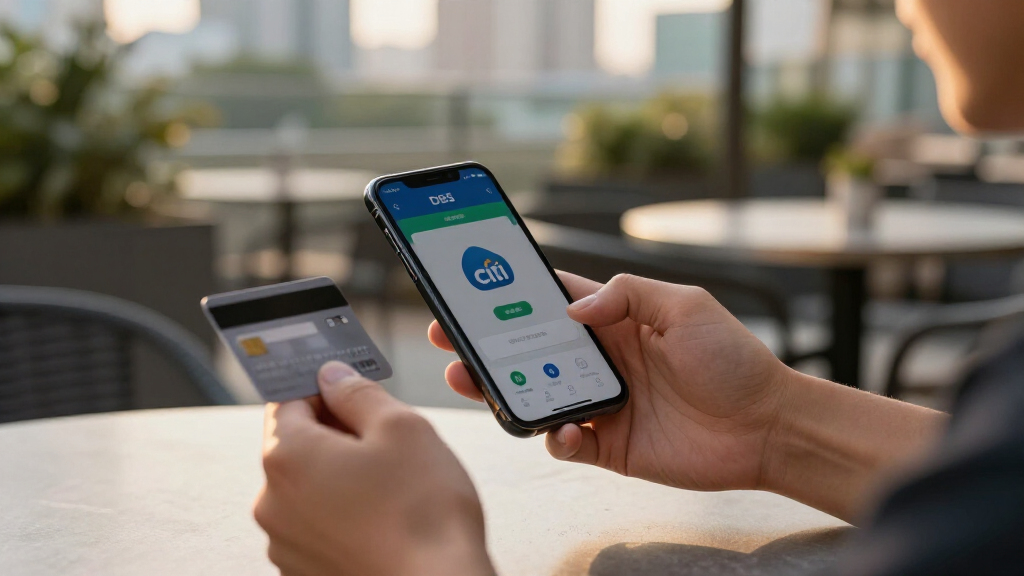
DBS Bank and Citi have completed a USD payment over the weekend using Swift’s Digital Ledger technology, employing tokenized deposits. This development demonstrates progress in digital cross-border payment infrastructure, though details remain emerging.
DBS Bank and Citibank successfully completed a USD payment during the weekend using Swift’s Digital Ledger technology with tokenized deposits, marking a notable milestone in digital cross-border payments. This event underscores ongoing efforts by major financial institutions to leverage blockchain-inspired platforms for faster, more secure international transactions.
The transaction was executed using Swift’s Digital Ledger, a blockchain-based platform designed to facilitate real-time, secure, and transparent cross-border payments. Both banks confirmed that the payment was completed successfully during a weekend window, traditionally a period of limited banking activity, demonstrating the robustness of the technology.
According to sources familiar with the process, the payment involved tokenized deposits, a method that converts traditional fiat into digital tokens secured on the ledger, enabling seamless transfer and settlement across borders. The use of tokenization aims to improve settlement speed and reduce reliance on correspondent banking networks.
While the event is a technical milestone, both banks emphasized that this was a pilot or proof-of-concept rather than a full-scale deployment. They indicated that the transaction was part of ongoing efforts to test and refine digital payment infrastructure, with broader rollouts still under evaluation.
Implications for Cross-Border Payment Innovation
This successful weekend transaction demonstrates the potential for blockchain-inspired platforms to transform international payments by enabling faster settlement times and reducing costs. The use of tokenized deposits on Swift’s Digital Ledger could pave the way for more widespread adoption of digital currencies and streamline global banking operations.
For consumers and businesses, such developments could mean more reliable and efficient cross-border transactions, particularly outside standard banking hours. For the banking industry, this signals a shift toward more digital, decentralized infrastructure that may challenge traditional correspondent banking models.
As an affiliate, we earn on qualifying purchases.
Background on Swift’s Digital Ledger and Tokenization Efforts
Swift, the global messaging platform used by most banks for cross-border payments, has been exploring blockchain-based solutions to modernize its network. Its Digital Ledger initiative aims to create a secure, transparent, and real-time settlement environment for international transactions.
Tokenization of deposits, a key feature of this platform, involves converting fiat currency into digital tokens that can be transferred instantly across borders, reducing settlement times from days to minutes. Major banks have been participating in pilot programs to test this technology, with results showing promising improvements in efficiency and security.
This development follows a series of smaller tests and industry discussions about the potential of blockchain to overhaul traditional payment rails, especially amid rising demand for faster, more secure cross-border transfers.
cross-border payment processing device
As an affiliate, we earn on qualifying purchases.
As an affiliate, we earn on qualifying purchases.
Unconfirmed Details About Broader Adoption and Impact
It is not yet clear whether this weekend’s successful payment will lead to widespread adoption of Swift’s Digital Ledger technology across other banks or regions. Details about the scale of the pilot, the specific transaction volume involved, and the long-term plans for deployment remain undisclosed. Industry analysts caution that while the technical milestone is promising, broader implementation will depend on regulatory approvals, interoperability with existing systems, and commercial viability.
Further, it is unknown whether this technology will be integrated with central bank digital currencies (CBDCs) or other digital assets, which could significantly influence its future trajectory.
As an affiliate, we earn on qualifying purchases.
Next Steps in Testing and Potential Rollout Plans
Both DBS and Citi have indicated that they will continue testing the platform through additional pilot transactions and technical assessments. Industry observers expect that further collaborations and larger-scale trials will be announced in the coming months. Regulatory discussions and standardization efforts are also likely to shape the pace of adoption.
In the near term, the focus will be on evaluating the platform’s performance, security, and compliance with international standards. If successful, this could lead to broader deployment in the next 12 to 24 months, potentially transforming cross-border payment infrastructure at a global scale.
As an affiliate, we earn on qualifying purchases.
Key Questions
What is Swift’s Digital Ledger technology?
Swift’s Digital Ledger is a blockchain-inspired platform designed to facilitate real-time, secure, and transparent cross-border payments by enabling digital tokenization of deposits and settlements.
Why is tokenization important for cross-border payments?
Tokenization converts traditional fiat currency into digital tokens, allowing faster transfer, reduced settlement times, and lower reliance on correspondent banking networks, which can improve efficiency and security.
Is this a full-scale rollout or just a pilot?
This event represents a successful pilot or proof-of-concept. Broader deployment is still under evaluation, with further testing needed before widespread adoption.
How might this impact consumers and businesses?
If scaled, this technology could enable faster, more reliable cross-border transactions, particularly outside regular banking hours, benefiting international trade and remittances.
What are the main challenges to wider adoption?
Key challenges include regulatory approval, interoperability with existing systems, security considerations, and establishing a sustainable business model for digital ledger-based payments.
Source: rss
Fall Picks
fall essentials
As an affiliate, we earn on qualifying purchases.