
🔍 Read the full analysis: Why The AI Companies Selling Infrastructure Are Also Buying In on ThorstenMeyerAI.com

Get hardware and tech essentials delivered free with Prime
- Fast, free delivery on millions of items
- Prime Video, Amazon Music and more included
- Member-only deals all year
TL;DR
TSMC’s board approved investments of up to $500 million each in Anthropic and OpenAI. Separately, Anthropic’s IPO filing lists seven companies, including major chip and cloud suppliers, that agreed to buy $26 billion of its shares after the listing. The filings also show large spending commitments flowing back to some of those investors, raising questions about how much AI demand is supported by supplier financing.
TSMC’s board approved up to $500 million apiece for investments in Anthropic and OpenAI on November 10, while Anthropic’s amended IPO filing disclosed that seven companies had agreed to buy a combined $26 billion of its shares after the listing. The commitments put chipmakers and cloud providers among the investors in AI companies that also depend on those firms for computing capacity and infrastructure.
TSMC disclosed the approvals in a Form 6-K filed with the U.S. Securities and Exchange Commission. The proposed Anthropic investment would buy common shares at the IPO price, with the amount capped at $500 million. The separate OpenAI investment would buy preferred stock, also for no more than $500 million. These are maximum amounts, not confirmation that TSMC has already invested the full sums. The filing does not give a price or date for the OpenAI purchase.
Anthropic’s November 10 amendment to its IPO registration statement describes a $26 billion concurrent private placement at the IPO price, scheduled to close immediately after the offering. At the midpoint of the proposed price range, Google and Nvidia would each purchase about $10 billion; AMD about $2.5 billion; Broadcom, Micron and Microsoft about $1 billion each; and TSMC Partners, Ltd. about $500 million. The filing says the Class N shares have the same economic rights as the public Class A shares but generally carry no voting rights.
The filings also show that money could flow back to some investors through AI infrastructure spending. Anthropic lists at least about $121.3 billion in commitments with Google, at least $47.2 billion with Microsoft, and more than $20 billion expected for AMD systems. Some investments are tied to prior arrangements: Google’s purchase uses an option from a March 2026 financing agreement, while AMD’s is counted toward a $5 billion stock commitment associated with GPU deliveries. These figures describe commitments or expected spending, not necessarily payments already made.
Why AI Infrastructure Sellers Are Also Buying In
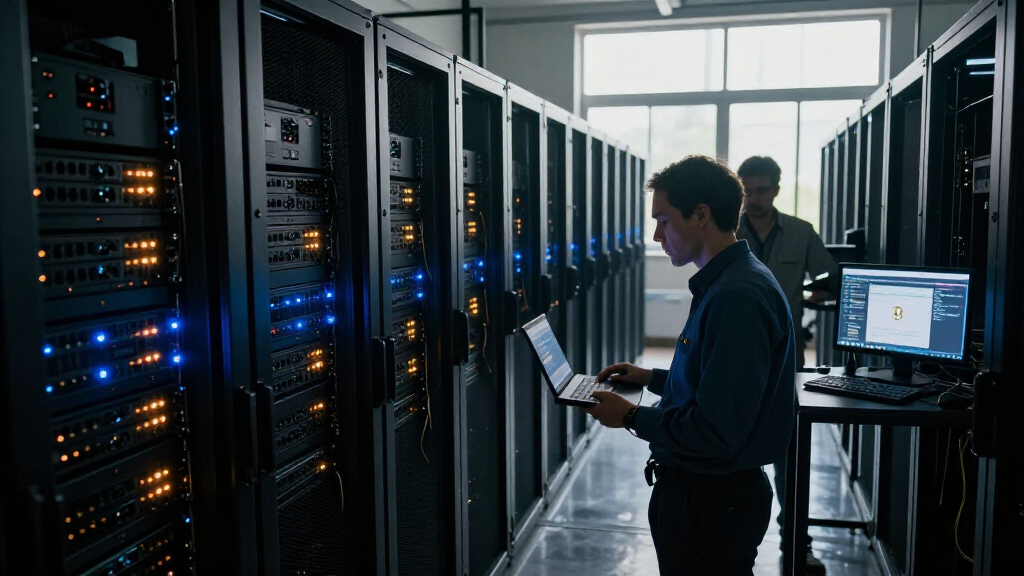
Chip and cloud suppliers are investing in AI companies that may spend heavily on their infrastructure. The filings show how closely financing and future demand can be connected.
Suppliers become investors
The same companies financing AI growth may also sell the computing capacity it requires.
Funding AI developers
TSMC approved up to $500 million each for Anthropic and OpenAI. These are maximum amounts, not confirmation of completed investments.
Supplying future demand
Chipmakers and cloud providers may benefit when AI companies use the funding to buy chips, systems or computing capacity.
Who agreed to buy Anthropic shares?
The filing describes a $26 billion placement at the IPO price, scheduled to close after the offering.
| Purchaser | Approximate amount |
|---|---|
| $10 billion | |
| Nvidia | $10 billion |
| AMD | $2.5 billion |
| Broadcom, Micron and Microsoft | $1 billion each |
| TSMC Partners, Ltd. | $500 million |
Capital can flow back to suppliers
The filings list large infrastructure commitments or expected spending involving some investors.
What remains uncertain
The disclosed amounts describe approvals, agreements and expected spending; they do not establish that all funds have changed hands.
- Anthropic IPO pricing and placement closing
- Final purchase amounts may depend on the IPO price
- Price and timing of TSMC’s OpenAI purchase
- How much demand depends on supplier financing
Suppliers Become Investors and Customers
The transactions connect the financing of AI developers to the companies selling them the infrastructure needed to train and serve models. Chipmakers, memory suppliers and cloud providers may gain a financial stake in companies whose growth could increase demand for their products and services. The arrangements can also help AI labs secure capital and, in some cases, access to computing resources.
That overlap makes it harder to interpret investment totals as independent evidence of demand. The Wall Street Journal, as cited by Ars Technica, reported analysts’ concerns that circular financing can complicate assessments of real demand for AI hardware and services. A supplier’s investment may support a customer whose spending then benefits the supplier, but the filings do not establish how much of the spending would occur without such arrangements.
For businesses and users, the immediate issue is not whether any particular investment will pay off. It is that the infrastructure and financing behind AI products are increasingly connected. Capital, cloud capacity and chip purchases may come from overlapping groups of companies, which can affect how quickly AI services expand and how dependent providers are on a small number of suppliers. The filings alone do not show how those ties will affect prices, product availability or service performance.
Products Worth Considering

LG UltraGear 24-Inch Full HD IPS Gaming Monitor, 144Hz Overclocked, 1ms MBR, G-SYNC Compatible, FreeSync, HDR10

Apple MacBook Air 13-inch Laptop with M5 Chip, 16GB Memory, 512GB SSD, Liquid Retina Display, and 12MP Center Stage Camera (2026, Silver)

Apple MacBook Pro 16.2-inch with M5 Pro, 18-core CPU, 20-core GPU, 48GB Memory, and 1TB SSD (Space Black)
As an affiliate, we earn on qualifying purchases.
What the Filings Disclose
TSMC’s board approved three separate measures on November 10: investments of up to $500 million in Anthropic and up to $500 million in OpenAI, plus up to $500 million to establish an investment company for strategic investments in the semiconductor industry and related ecosystem. TSMC has not said whether that new vehicle would make either AI-company investment. The company has historically concentrated on chip manufacturing rather than taking stakes across its supply chain, according to Taiwan News citing Nikkei Asia. TSMC bought shares in Arm’s 2023 IPO and sold its remaining stake in April 2026, Taiwan News reported, citing Reuters.
TSMC’s investment approvals came alongside substantial spending plans of its own. Its board approved about $40.93 billion in capital appropriations for new capacity and fabs. The company reported third-quarter net income of NT$763.06 billion, more than $23 billion, according to Ars Technica citing Reuters. Those figures provide scale for the manufacturer’s capacity to invest, but they do not show that the proposed stakes are connected to its capital spending.
The Anthropic placement is distinct from TSMC’s board decision: the filing lists seven prospective purchasers and their agreed aggregate amount, while TSMC’s separate filing records its board’s investment approvals. On the OpenAI side, Ars Technica reported that Nvidia has invested $30 billion in the company so far and disclosed guarantees capped at $105 billion for data-center leases used by OpenAI. The scale and form of those arrangements differ, so the figures should not be treated as a single investment package.
““not to exceed US$500 million””
— TSMC board resolution, as filed in the company’s Form 6-K
Investment Timing and Demand Remain Open
The TSMC board resolutions authorize investments up to stated limits, but the available filings do not confirm that the full amounts have been paid. The price, timing and terms of TSMC’s OpenAI purchase remain unspecified in the resolution. TSMC has also not said whether the new investment company would be involved.
Anthropic’s $26 billion placement is described in an IPO filing as an agreement to buy shares after the listing, but whether it closes as planned remains to be seen. The final purchase amounts may depend on the IPO price; the published breakdown uses the midpoint of the proposed range. The filings also do not quantify how much future AI infrastructure demand is supported by supplier investments, financing options or guarantees, or how much would exist independently.
IPO Closing and Final Investment Terms
The next concrete milestones are Anthropic’s IPO pricing and the proposed post-listing private placement. Those steps will clarify the final share price and whether the seven purchasers complete their investments. Further company filings or announcements may provide more detail on TSMC’s OpenAI investment, including its timing and terms. Until then, the stated amounts should be read as approvals and disclosed commitments rather than proof that all funds have changed hands.
Key Questions
How much has TSMC approved for Anthropic and OpenAI?
TSMC’s board approved up to $500 million for each company. The resolution sets maximum amounts; it does not establish that TSMC has invested the full $1 billion.
Anthropic’s filing names Google, Nvidia, AMD, Broadcom, Micron, Microsoft and TSMC Partners, Ltd. Their planned purchases total $26 billion at the IPO price, with the disclosed company-by-company estimates based on the midpoint of the proposed price range.
Why are infrastructure suppliers investing in AI companies?
The filings show suppliers and cloud providers taking stakes in companies that need their chips, equipment or computing capacity. The arrangements may connect financing with infrastructure access, but the documents do not establish a single motive for every investment.
Does Anthropic’s $26 billion placement mean the money has already been received?
No. The filing describes an agreement for purchases after the IPO. Completion and final amounts depend on the offering and closing of the placement.
What is the concern about circular financing?
Analysts cited by The Wall Street Journal have warned that when suppliers invest in customers that spend on supplier products, it can be difficult to judge how much demand is independent. The filings do not quantify that effect.
Source: ThorstenMeyerAI.com