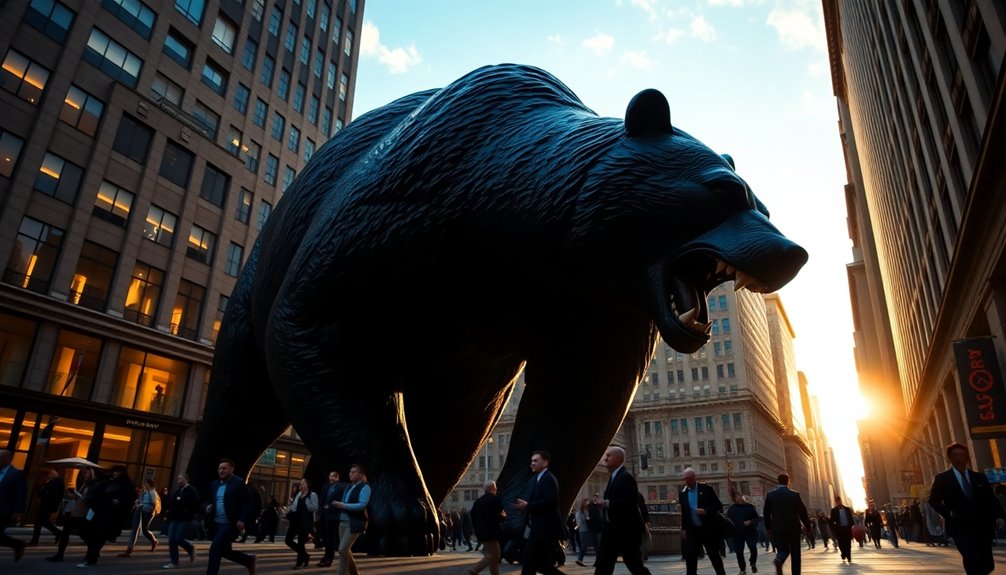

When you hear the term "bear market," it likely evokes a sense of dread. But have you ever considered where it actually comes from? The connection to bears isn't just a whimsical choice; it's deeply rooted in history and symbolism. As you explore this term's origin, you'll uncover a fascinating tale that reveals how market downturns reflect more than just numbers—they tap into something primal and emotional. What does this mean for today's investors?

Get hardware and tech essentials delivered free — and shop member deals
- Fast, free delivery on millions of items
- Access to Prime Big Deal Days deals on October 6–7
- Prime Video, Amazon Music and more included

When investors hear the term "bear market," a wave of dread often washes over them. You might feel that familiar knot in your stomach as you recall the definition: a prolonged decline in investment prices, typically a drop of 20% or more from recent highs. This decline doesn't just affect individual stocks; it can impact entire markets, leading to widespread investor pessimism and low confidence.
It's during these dark times that the specter of recession looms large, making every portfolio feel vulnerable. Bear markets can occur for entire markets or individual stocks, but the general trend during these periods is downward movement, despite occasional relief rallies.
Bear markets are born from a mix of economic triggers, such as a slowing economy or unexpected external shocks like pandemics or geopolitical conflicts. When fear grips the market, you can watch panic spread like wildfire, driving many investors to sell. High debt levels or speculative bubbles bursting can exacerbate these declines, creating a perfect storm.
As you observe these events unfold, it's essential to remember that the market's mood plays a crucial role in these downturns.
History shows us some unforgettable bear markets, like the 1929 stock market crash that ushered in the Great Depression. More recently, the 2008 financial crisis and the downturn caused by the COVID-19 pandemic serve as stark reminders of how quickly things can change.
Bear markets can last from a few weeks to several years, impacting your investment strategies significantly. They often bring about economic restructuring and regulatory changes that can reshape the landscape for years to come.
Despite the challenges, bear markets can also present unique opportunities. As a long-term investor, you might see lower prices as a chance to build your portfolio. Strategies like short selling or buying inverse ETFs can help you profit even while the market falls.
Diversification becomes crucial during these times, allowing you to manage risk effectively. You might find safety in defensive sectors or less volatile assets, adjusting your approach to weather the storm.
In the end, while the term "bear market" might evoke dread, it also serves as a reminder of the cyclical nature of investing. Understanding the story behind this dreaded term can empower you to navigate the turbulent waters of the market, transforming challenges into opportunities for growth and resilience.
Halloween Picks
halloween
As an affiliate, we earn on qualifying purchases.