
TL;DR

Get hardware and tech essentials delivered free with Prime
- Fast, free delivery on millions of items
- Prime Video, Amazon Music and more included
- Member-only deals all year
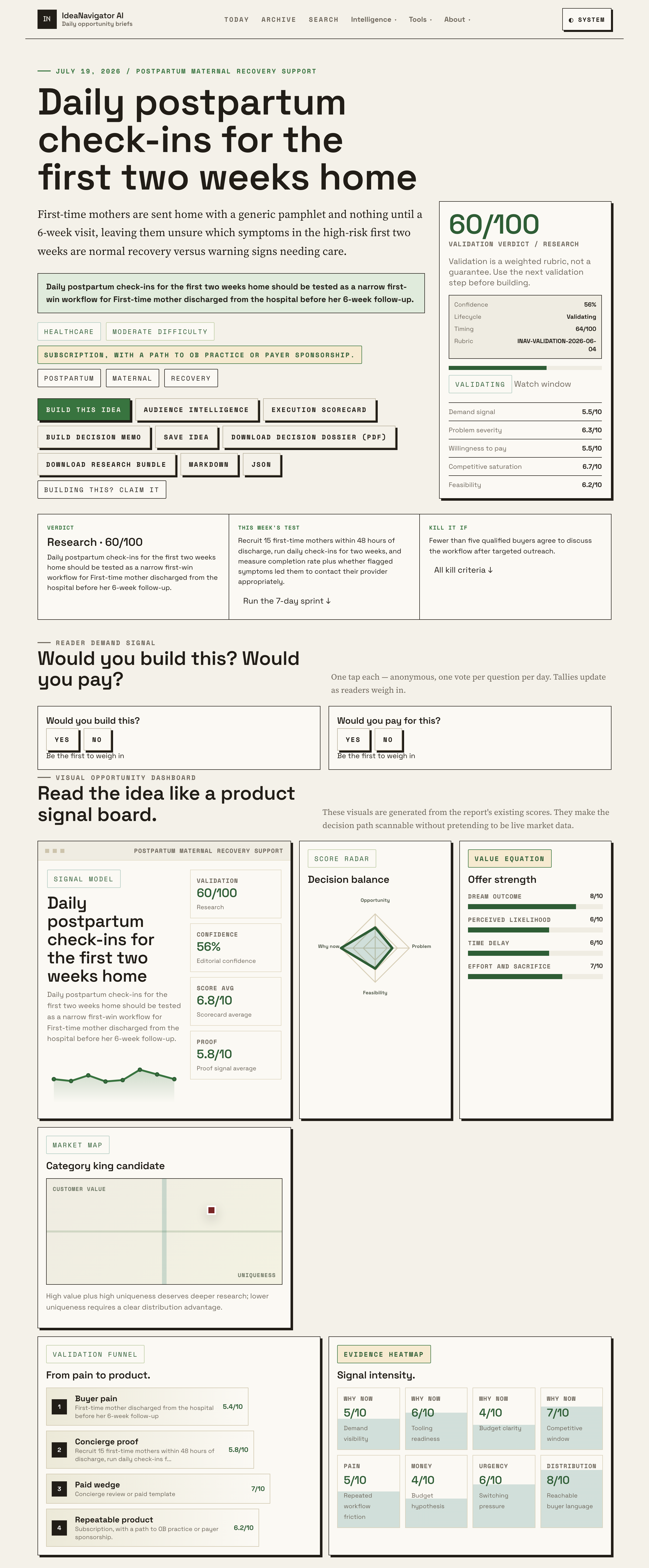
A pilot program is underway to provide first-time mothers with daily postpartum check-ins for two weeks after hospital discharge. The goal is to better detect complications and support recovery, addressing gaps in current postpartum care.
A new postpartum care initiative is testing daily check-ins for first-time mothers during the first two weeks after hospital discharge. This approach aims to address gaps in current postpartum support, which often leaves new mothers with minimal guidance until their six-week follow-up, potentially delaying the identification of complications.
The program involves recruiting 15 first-time mothers within 48 hours of discharge and providing them with a digital platform to complete daily check-ins. These check-ins are designed to build a personalized recovery profile based on delivery details, feeding method, and mental health baseline. The platform then delivers targeted recovery tips and prompts mothers to contact healthcare providers if certain symptoms are flagged.
This pilot seeks to evaluate whether daily engagement improves symptom recognition and timely medical contact. It is part of broader efforts to close the postpartum care gap, which has been highlighted by maternal health awareness campaigns and driven by the widespread use of smartphones. The initiative is structured as a subscription service, with potential sponsorship from OB practices or health payers.
Potential Impact on Postpartum Care Standards
If successful, this model could transform postpartum care by providing continuous, personalized support during the high-risk first two weeks after birth. It could lead to earlier detection of complications such as infections, bleeding, or mental health issues, ultimately reducing maternal morbidity and mortality. The approach also addresses the current reliance on a single in-person visit at six weeks, which may be too late for some issues to be effectively managed.
Products Worth Considering

LG UltraGear 32GX850A-B 32-inch 4K UHD OLED Gaming Monitor

LG UltraGear 32GX870A-B 32-inch 4K OLED Gaming Monitor

LG UltraGear 34GX90SA-W 34-inch WQHD Curved OLED Gaming Monitor
As an affiliate, we earn on qualifying purchases.
Current Postpartum Support and Its Limitations
Most first-time mothers are discharged with minimal guidance, typically receiving a pamphlet and scheduled for a six-week postpartum visit. During this period, complications such as postpartum depression, infections, and hemorrhage can develop rapidly but may go unnoticed due to limited contact. Maternal health campaigns have spotlighted this gap, emphasizing the need for more proactive, continuous support, especially as smartphone technology makes daily check-ins feasible.
“Implementing daily postpartum check-ins could significantly improve early detection of complications and support maternal mental health.”
— an anonymous researcher
Uncertainties About Effectiveness and Scalability
It is not yet clear whether the pilot will demonstrate significant improvements in health outcomes or whether the approach can be scaled broadly. The sample size is small, and long-term effects remain untested. Additionally, questions about user engagement, privacy, and integration with existing healthcare systems are still under review.
Next Steps in Pilot Evaluation and Broader Adoption
The initial pilot will run for two weeks, with researchers measuring completion rates and whether flagged symptoms prompted appropriate medical contact. If results are promising, plans include expanding recruitment, refining the platform, and exploring sponsorship options. Future steps may involve larger trials and integration into standard postpartum care protocols.
Key Questions
How does the daily check-in platform work?
The platform collects information on delivery details, feeding method, and mental health, then delivers daily tailored tips and prompts mothers to contact their healthcare provider if certain symptoms are flagged.
Who is eligible to participate in the pilot?
First-time mothers discharged from the hospital within 48 hours of delivery are eligible, with recruitment currently underway for a small sample.
What are the potential benefits of daily postpartum check-ins?
The approach aims to improve early detection of complications, support mental health, and reduce maternal morbidity by providing continuous, personalized support during the critical first two weeks after birth.
Could this replace in-person postpartum visits?
It is unlikely to replace in-person visits entirely but could serve as a supplementary tool to enhance monitoring and early intervention during the high-risk period.
When will the results of the pilot be available?
Results are expected after the two-week pilot period, with further analysis planned in the following months to assess effectiveness and scalability.
Source: IdeaNavigator AI