

📊 Full opportunity report: The Door: Why the Interface Is Worth More Than the Model on ThorstenMeyerAI.com — validation score, market gap, and execution plan.
TL;DR
SpaceX bought a $60 billion coding interface, emphasizing that the interface—where users interact—is now more valuable than the AI models themselves. Control of the interface determines routing, habits, and data flow.
SpaceX’s recent acquisition of a $60 billion coding interface platform marks a significant industry shift, emphasizing the importance of the user interface over the underlying AI models. This move highlights how control of the interface—where developers and users interact—may determine the dominant distribution channel and data flow in AI technology.
The platform, built by Anysphere, offers a coding interface layered on top of existing AI models, generating roughly $4 billion in annual revenue. SpaceX’s purchase indicates a strategic focus on owning the habits, routing, and data feedback that occur at the interface level, rather than just developing or owning the models themselves. This aligns with recent industry trends where the cost of models is decreasing and models are becoming commodities, while interfaces—those surfaces users engage with daily—are becoming the new battleground.
Industry experts note that the real value lies in the distribution point: the place where demand is routed, habits are formed, and data is collected. The interface determines which model is called first, which is demoted, and which is never reached, effectively controlling the user experience and the flow of data. The purchase by SpaceX underscores the shift from model ownership to interface control as a strategic asset in AI development.
The Door: Worth More Than the Model
SpaceX paid $60B for a coding tool — not a model. As the model commoditizes, the surface the human touches captures the value: the default, the habit, the data, and the choice of which model gets called.
Perplexity
The most valuable chokepoint — and, strangely, the most winnable. You can’t bootstrap a gigawatt or a 555K-GPU cluster, but a small team can still build the door (Cursor was a few founders on rented models). Own the interface and the user relationship even if you rent everything underneath — and never let a platform’s default be your only door to your users.
Why Interface Control Is the New Industry Chokepoint
This development underscores that ownership of the user interface is becoming more critical than owning the models themselves. Control over the interface allows companies to influence user habits, decide routing of requests, and capture valuable data streams. As models become commoditized, the interface is emerging as the primary leverage point for dominance in AI, impacting competition, data privacy, and the future of AI distribution.
coding interface platform
As an affiliate, we earn on qualifying purchases.
As an affiliate, we earn on qualifying purchases.
Industry Shift Toward Interface Dominance
For the past three years, the industry has focused on developing increasingly powerful AI models, with the prevailing belief that the model’s intelligence was the key to success. However, the decreasing cost of models and the rise of open weights have made models more accessible and less of a competitive differentiator. Meanwhile, the interface—such as chat prompts, browsers, and APIs—has remained a critical, less commoditized layer that directly interacts with users.
Recent moves by major tech firms, including OpenAI, Google, and Microsoft, to embed AI into their interfaces and default browsers, demonstrate that control over the interface is becoming a strategic priority. The $60 billion purchase by SpaceX exemplifies this trend, emphasizing that owning the surface where users engage with AI is now a key asset.
“Our investment reflects a focus on the critical surface where developers and users interact, shaping demand and data flow.”
— SpaceX spokesperson
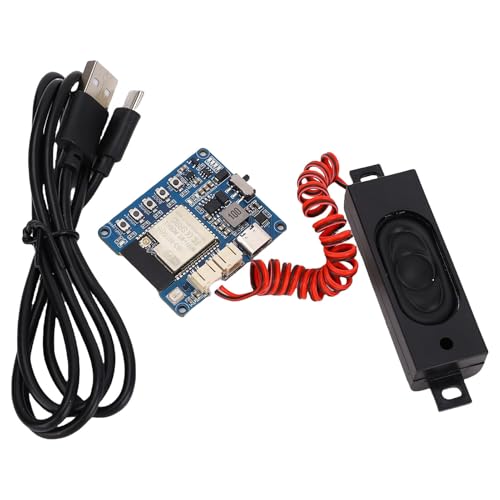
AI Voice Chat Module Type C Interface AI Large Model Support with Technology
Specifications: This AI voice chat module offers a Type C interface, built in for TP5400 battery management, integrated…
As an affiliate, we earn on qualifying purchases.
As an affiliate, we earn on qualifying purchases.
Unclear Impact of Interface Ownership on Competition
It is not yet clear how widespread or lasting the shift toward interface control will be, or how it will reshape competitive dynamics across the industry. Questions remain about whether other companies will follow SpaceX’s lead and how regulatory or legal challenges might influence this trend.
developer interface software
As an affiliate, we earn on qualifying purchases.
As an affiliate, we earn on qualifying purchases.
Next Steps in Interface and Distribution Strategies
Expect to see increased investment in interface platforms by AI firms and tech giants, with potential legal battles over control and access. Monitoring how companies leverage interface ownership to influence routing, user habits, and data collection will be key in understanding future industry shifts.
AI data routing interface
As an affiliate, we earn on qualifying purchases.
As an affiliate, we earn on qualifying purchases.
Key Questions
Why is the interface more valuable than the AI model?
The interface is where users interact, form habits, and generate data. Controlling it allows companies to influence demand, routing, and data flow, making it a strategic asset beyond just the underlying models.
How did SpaceX’s purchase signal a shift in the industry?
By paying $60 billion for a coding interface platform, SpaceX signaled that owning the surface of interaction is now more critical than owning the models, which are becoming commoditized.
What are the risks of focusing on interface control?
It could lead to increased monopolization, legal challenges, and barriers for smaller players, as control over the interface becomes a gatekeeper for access to users and data.
Will other companies follow SpaceX’s strategy?
It’s uncertain, but the trend toward interface ownership is gaining momentum among major tech firms, which could reshape competition and distribution in AI.
How might regulation affect this shift?
Regulatory actions around data privacy, antitrust, and platform control could influence how companies pursue interface ownership and routing power in the future.
Source: ThorstenMeyerAI.com