
📊 Full opportunity report: The Six Chokepoints: How AI Stopped Being a Utility and Became a Lever on ThorstenMeyerAI.com — validation score, market gap, and execution plan.
TL;DR
In 2026, key control points in AI infrastructure shifted from open utility models to concentrated leverage by a few entities. This change impacts AI availability, security, and geopolitical power.
In 2026, a series of decisive actions revealed that control over AI infrastructure has shifted from open, utility-like models to concentrated chokepoints held by a few entities, fundamentally altering the landscape of AI power and access.
Over the past weeks, major developments include a government shutting down a frontier AI model worldwide within roughly ninety minutes, a defense ministry monetizing combat data with restrictions, and a leading AI company leasing its supercomputers with clauses allowing retraction. These are not isolated incidents but demonstrations of a broader trend: control over AI is now concentrated at six critical chokepoints, each owned or controlled by a limited set of actors.
At the power layer, companies like SpaceX build their own energy sources to bypass strained grids, setting a ceiling on compute capacity. In compute, giants like Nvidia and the largest AI labs rent or own clusters, often leasing from or competing with each other. Data has become a sovereign asset, with entities like Ukraine’s Avengers Labs turning combat footage into proprietary datasets. Model access is now revocable—governments can disable models via export controls, and providers can restrict access through terms or geofencing. Control over distribution channels and application platforms, such as developer interfaces and operating systems, further concentrate influence. Finally, the most fundamental chokepoint is capital—only a handful of investors and sovereign funds can bankroll the expensive infrastructure needed for frontier AI development.
The Six Chokepoints
For a decade AI was sold as a utility — abundant, neutral, always on. In 2026 it became a lever: scarce, controlled, revocable. Here are the six places power actually sits — and who started to squeeze.
Every layer is concentrating into fewer hands, and 2026 is the year the holders stopped treating their leverage as theoretical. A kill switch wasn’t discussed — it was pulled. The utility you’re allowed to forget about; the lever, you have to watch who’s holding. Optionality just became architecture.
Why Control Over AI Chokepoints Reshapes Power Dynamics
The shift from AI being a neutral utility to a controlled lever means that a small number of entities now hold the ability to throttle, restrict, or shut down AI services at will. This concentration of control impacts innovation, security, and geopolitical influence, as access to advanced AI becomes a strategic asset rather than a public good. The implications include increased risks of monopolization, geopolitical conflicts, and vulnerabilities to control or suppression by powerful actors.

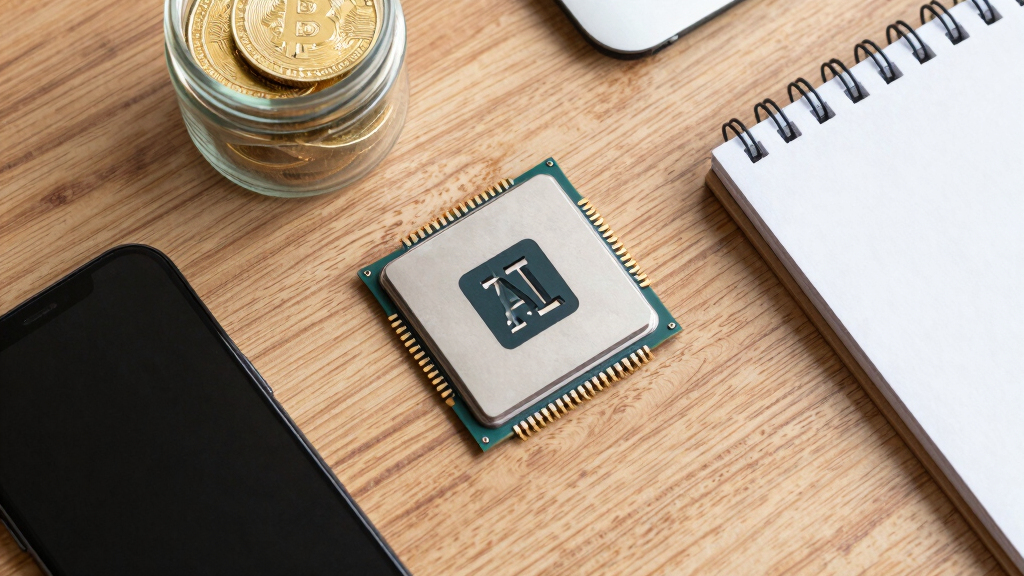
NVIDIA DGX Spark™ – Personal AI Desktop Supercomputer – Desktop GB10 Grace Blackwell Chip
- Compact Supercomputer Design: Energy-efficient desktop AI supercomputer
- High AI Performance: Up to 1 petaFLOP with Grace Blackwell
- Full NVIDIA AI Software Stack: Seamless AI development and deployment
As an affiliate, we earn on qualifying purchases.
As an affiliate, we earn on qualifying purchases.
Key Developments Leading to 2026 Control Shift
For about a decade, AI was portrayed as a utility—broadly accessible, neutral, and reliable, akin to electricity. This narrative justified widespread investment and framed AI as infrastructure that would be universally available. However, in 2026, rapid events challenged this view. Governments and corporations began exercising control over critical points in the AI stack, demonstrating that access is now subject to control, licensing, and strategic interests. These developments mark a fundamental change from the previous open model to a more concentrated, leverage-based system.
“Building our own power sources allows us to bypass strained grids and set the ceiling for compute capacity.”
— SpaceX spokesperson

AI Data Center Infrastructure Engineering: Power Distribution, Liquid Cooling, High-Density Networking, and Energy Efficiency for GPU Training … Hardware & Compiler Engineering Series)
As an affiliate, we earn on qualifying purchases.
As an affiliate, we earn on qualifying purchases.
Unresolved Questions About Future AI Control
It remains unclear how widespread the adoption of these chokepoint controls will become globally and whether regulatory measures will counterbalance this concentration of power. The long-term stability of these control points and their impact on innovation and security are still being evaluated, with some experts warning of potential risks of monopolization and geopolitical conflicts.
Access Tools RCBMHD Heavy Duty Button Master
- Model Number: RCBMHD
- Package Dimensions: 36.75 x 9.25 x 1.25 inches
- Retractable Loop with Grip Cover: Includes retractable loop with grip cover
As an affiliate, we earn on qualifying purchases.
As an affiliate, we earn on qualifying purchases.
Next Steps in AI Infrastructure and Power Consolidation
Expect ongoing consolidation around these chokepoints, with further investments by sovereigns and corporations to secure control. Regulatory responses may emerge to address the risks of centralization, but the trend toward fewer, more powerful control points appears set to continue. Monitoring how governments and industry actors respond will be critical in understanding the future landscape of AI power.

Replacement Battery for Volo X Drone – Up to 45 Minutes Flight Time
- High Capacity: 5000mAh for extended flight time
- Optimized Performance: Designed for Volo X with stable power
- Quick Swap Design: Easily replace battery in seconds
As an affiliate, we earn on qualifying purchases.
As an affiliate, we earn on qualifying purchases.
Key Questions
What are the six chokepoints in AI control?
The six chokepoints are power supply, compute infrastructure, data sovereignty, model access, distribution channels, and capital funding. Each represents a strategic point where control can be exerted to influence AI capabilities.
Why is control over AI infrastructure shifting now?
Recent events in 2026, including government actions and corporate strategies, have demonstrated that control over these points can be used to restrict, throttle, or shut down AI services, marking a shift from open utility models to strategic leverage.
What are the risks of this concentration of control?
Potential risks include monopolization, reduced innovation, geopolitical conflicts, and vulnerabilities to control or suppression by powerful actors. It could also limit access for smaller players and new entrants.
Could regulation prevent this shift from utility to leverage?
Regulatory measures may attempt to address concentration, but given the technical and strategic nature of these chokepoints, it is uncertain how effective regulation will be in countering these trends in the near term.
How might this change impact AI development globally?
Global AI development could become more fragmented and controlled, with fewer players able to participate at the frontier level. This may lead to increased geopolitical tensions and a reshaping of the AI power landscape.
Source: ThorstenMeyerAI.com