
You’ll find that Texas became a Bitcoin mining hub due to its low energy costs, deregulated power market, and abundant natural gas resources. Favorable laws and supportive policies, like the Texas Strategic Bitcoin Reserve, encourage industry growth while promoting sustainable practices with renewable energy and natural gas partnerships. The state’s focus on grid management and environmental initiatives keeps the industry expanding responsibly. Discover how Texas’s unique blend of resources and regulation makes it a global leader in mining.
Key Takeaways
- Texas offers low electricity costs and a deregulated energy market, making it highly cost-effective for Bitcoin mining operations.
- Favorable legislation and economic incentives, like SB 21 and HB 591, support industry growth and sustainable energy use.
- Abundant natural gas resources enable miners to utilize cleaner, renewable energy sources and reduce environmental impact.
- The state’s robust infrastructure and policies promote industry expansion while ensuring grid stability through flexible load management.
- Texas’s strategic position and regulatory clarity attract international miners, establishing it as a leading global Bitcoin mining hub.

Bitkey Bitcoin Hardware Wallet - Secure Wallet for Self Custody, No Seed Phrase, 2-of-3 Multisig Security, NFC Device, iOS and Android Compatible
- Self Custody Bitcoin Wallet: Secure your bitcoin independently
- No Seed Phrase Needed: Reduces risk of loss or theft
- Multisig Security: 3 keys across devices for protection
As an affiliate, we earn on qualifying purchases.
The Texas Regulatory Environment and Compliance Measures
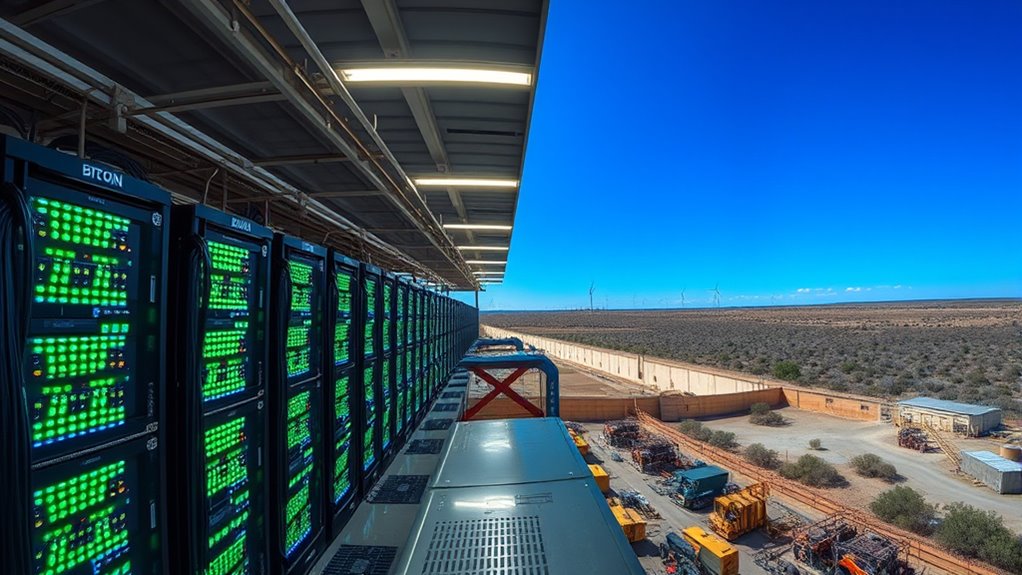
Texas has established a thorough regulatory framework to oversee cryptocurrency mining operations and guarantee compliance. As a miner, you must register facilities over 75MW with the Public Utility Commission of Texas (PUCT) by February 2025. This registration requires you to disclose ownership details, location, and energy consumption, including anticipated peak demands for the next five years. Failure to comply can lead to fines up to $25,000 daily, emphasizing the state’s strict approach. These rules help regulators plan for future grid needs and manage large flexible loads (LFLs) like mining farms. The Electric Reliability Council of Texas (ERCOT) closely monitors these operations to ensure they don’t compromise grid stability. Overall, Texas’s regulatory environment promotes accountability while supporting industry growth. Incorporating simple tools like BTU and CADR quick‑calculators can assist miners in understanding and managing energy efficiency and cooling requirements effectively.

Avalon Q 90TH/s Bitcoin Miner by New Canaan - 18.6J/TH 1674W ASIC Miner, Ultra-Quiet Home Mining Crypto Machine, 110V-240V, Included Original US Power Cord in US Stock
- Brand and Warranty: Genuine New Canaan Avalon Q Miner with warranty
- Hash Rate and Efficiency: 90TH/s at 18.6J/TH energy-efficient
- Plug and Play: Includes 110V-240V power cord for easy setup
As an affiliate, we earn on qualifying purchases.
Growing Energy Demand and Grid Management Strategies

As cryptocurrency mining operations continue to expand, the demand for electricity in the state increases substantially, putting additional pressure on the grid. You’ll notice that large-scale miners often consume megawatts of power, which can cause fluctuations and stress grid stability. To manage this, Texas’s grid operators actively coordinate with miners, encouraging flexible load management. Mining facilities are sometimes throttled or ramped up based on grid needs, helping prevent outages and maintain reliable supply for all users. Regulators also monitor energy use closely, requiring operators to disclose peak demands and future projections. These strategies guarantee that Texas’s growing energy needs are balanced with grid resilience, allowing mining to flourish without compromising overall stability. Additionally, dynamic communication exercises between miners and grid operators foster better coordination and responsiveness to real-time energy demands.

Mining Rig Frame for 12GPU, Steel Open Air Miner Mining Frame Rig Case, Support to Dual Power Supply for Crypto Coin Currency Bitcoin ETH ETC ZEC Mining Tools - Frame Only, Fans & GPU is not Included
- GPU Slots: Supports 6/8/12 GPUs with dual power
- Material: Made of durable stainless steel
- Design: Optimized for airflow and cooling
As an affiliate, we earn on qualifying purchases.
Legislative Support and Economic Incentives for Miners

Legislative support and economic incentives have played a crucial role in making Texas a magnet for Bitcoin miners. The state’s SB 21, enacted in 2025, created the Texas Strategic Bitcoin Reserve, encouraging investment by positioning Bitcoin as a valuable state asset. HB 591 promotes collaboration between natural gas producers and miners, leveraging existing energy infrastructure sustainably. Texas also separates Bitcoin reserve funds from the general treasury, protecting crypto assets from diversion. The state’s pro-business stance ensures predictable regulation, fostering industry growth and innovation. Low electricity costs, deregulated markets, abundant natural gas, and favorable climate further attract miners. Additionally, the emphasis on economic principles such as comparative advantage supports the efficient allocation of resources, making Texas an even more attractive hub for mining operations. Together, these policies and economic incentives create an environment where mining can thrive, boosting Texas’s reputation as a leading hub in the global Bitcoin ecosystem.

SAMSUNG T9 Portable SSD 4TB, USB 3.2 Gen 2x2 External Solid State Drive, Seq. Read Speeds Up to 2,000MB/s for Gaming, Students and Professionals,MU-PG4T0B/AM, Black (pack of 1)
- High-Speed Data Transfer: Up to 2,000MB/s read/write speeds
- Thermal Management: Advanced thermal solution keeps SSD cool
- Universal Compatibility: Compatible with desktops, cameras, consoles
As an affiliate, we earn on qualifying purchases.
The Legal Landscape of Virtual Currencies in Texas
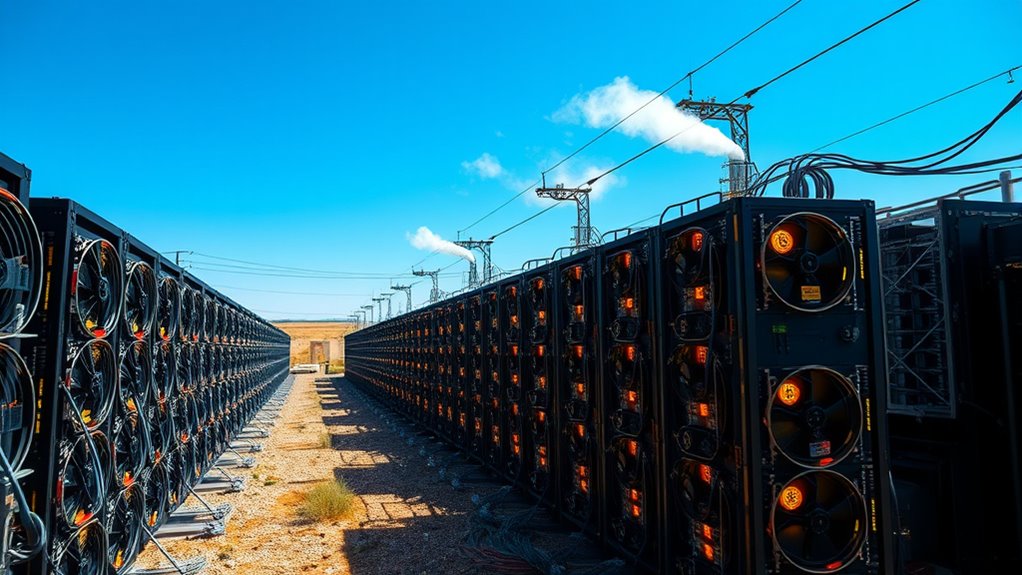
The legal landscape surrounding virtual currencies in Texas has become increasingly defined by clear regulations and recognition that support industry growth. You’ll find that Texas considers cryptocurrencies as “virtual currency” under the Texas Department of Banking, allowing banks to offer custody and related services. This recognition enables mainstream financial institutions to incorporate digital assets into their offerings, fostering legitimacy. Additionally, asset forfeiture laws help protect legitimate crypto operations from illegal activities. The state’s regulatory framework also addresses digital currency exchanges and kiosks, although some proposed bills have yet to pass. Overall, Texas provides a stable legal foundation that encourages innovation while maintaining safeguards, making it an attractive environment for miners, investors, and financial service providers seeking clarity and stability in the virtual currency space. Regulatory clarity also plays a crucial role in reducing uncertainties for industry participants.
Factors Driving Industry Expansion in the State
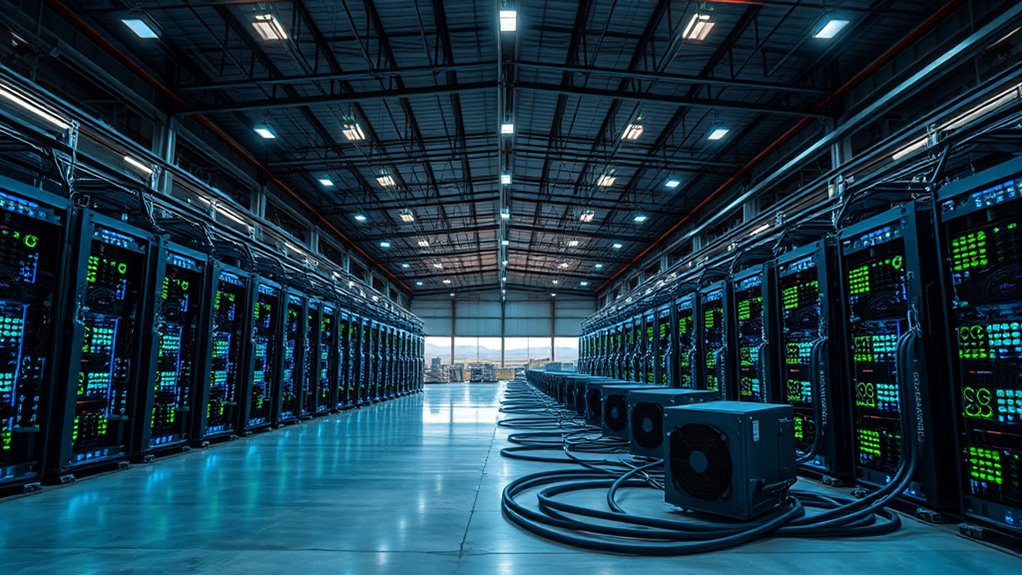
Texas’s low electricity costs and deregulated energy markets make it an attractive location for Bitcoin mining operations. The state’s favorable regulatory environment further reduces uncertainty, encouraging industry growth. These factors combine to position Texas as a leading hub for cryptocurrency mining expansion. Additionally, the availability of advanced cooling solutions helps manage the heat generated by mining hardware, further supporting the industry’s growth in the region.
Low Electricity Costs
Low electricity costs are a key driver behind the rapid growth of Bitcoin mining in Texas. The state’s deregulated energy market allows miners to access some of the lowest rates in the country, substantially reducing operational expenses. Natural gas production and infrastructure provide abundant, affordable power sources, making large-scale mining financially viable. Texas’s vast, open land also enables the development of extensive mining facilities without space constraints. The climate’s mild temperatures help lower cooling costs, further cutting expenses. Additionally, the increasing availability of portable energy solutions supports remote and large-scale operations by ensuring a reliable power supply. These factors combine to create a cost-effective environment that attracts miners seeking high profitability. As electricity prices remain competitive, Texas continues to draw new investment, fueling the expansion of the industry and establishing itself as a leading hub for Bitcoin mining.
Favorable Regulatory Environment
A favorable regulatory environment substantially accelerates industry growth by providing clear rules and supportive policies that attract investment. In Texas, legislation like SB 21 and HB 591 signals strong government backing for crypto, fostering confidence among miners and investors. The state’s recognition of virtual currencies allows banks to offer custody services, integrating crypto into traditional finance. Deregulated energy markets and low electricity rates further enhance profitability, making Texas highly attractive for energy-intensive mining operations. Additionally, policies promoting collaboration with natural gas producers and incentivizing renewable energy use support sustainable growth. Texas’s transparent regulatory framework reduces uncertainty, encouraging companies to expand and innovate. This pro-business climate, combined with strategic legislative support, positions Texas as a leading hub for Bitcoin mining nationwide and globally. Exploring AI’s Impact on Our Future and Society
Environmental Initiatives and Sustainable Mining Practices
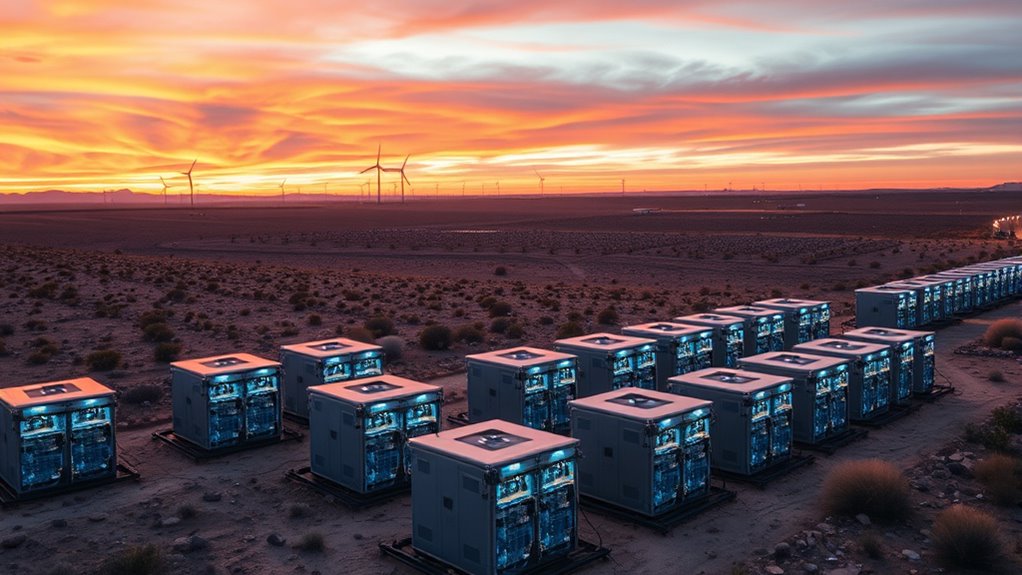
Environmental initiatives in Texas aim to make Bitcoin mining more sustainable by leveraging innovative practices. You can see this through efforts like partnerships with natural gas producers to utilize methane flaring, reducing greenhouse gas emissions. Regulations also promote using renewable and stranded energy sources, lowering the industry’s carbon footprint. The state’s strategic Bitcoin Reserve encourages investments that prioritize long-term environmental resilience, indirectly supporting sustainable practices. Additionally, mining operators are required to report energy consumption transparently, helping balance growth and grid stability. You’ll find that these initiatives foster a responsible mining environment focused on reducing environmental impact while maintaining industry growth. By integrating renewable energy and promoting transparency, Texas sets a standard for environmentally conscious Bitcoin mining. Environmental sustainability is a key goal driving these efforts, ensuring that industry expansion aligns with ecological preservation.
Texas’s Position as a Global Bitcoin Mining Center
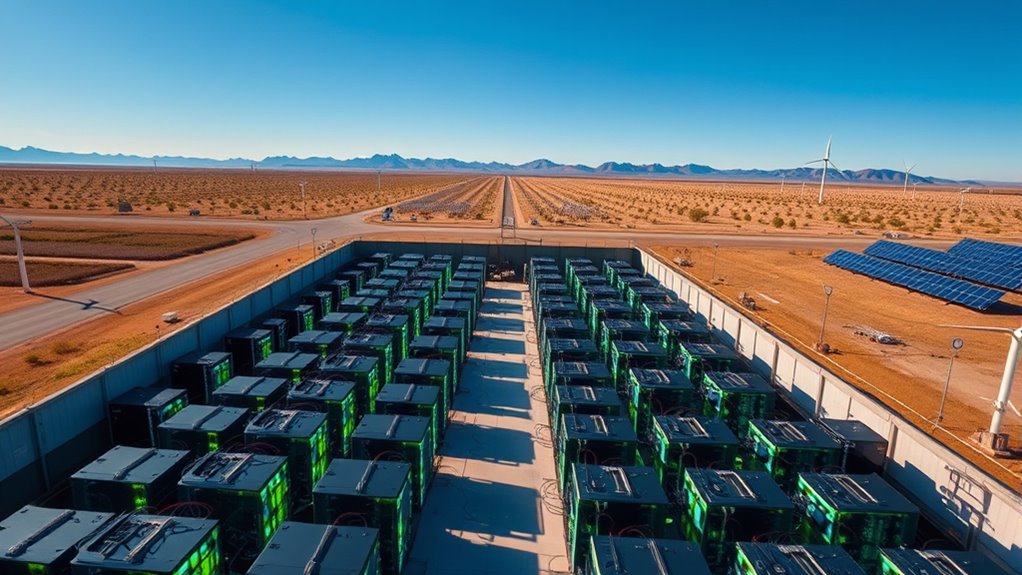
Texas has positioned itself as a leading hub for Bitcoin mining by capitalizing on its favorable regulatory environment, abundant natural resources, and competitive energy market. The state’s clear laws and supportive policies attract miners worldwide, offering stability and growth opportunities. Its low electricity costs and infrastructure enable cost-effective mining operations, while natural gas resources provide sustainable energy options. Texas’s strategic policies and deregulated market foster industry expansion, making it a global magnet for large-scale mining. The table below highlights key factors contributing to Texas’s status:
| Factor | Description | Impact |
|---|---|---|
| Regulatory Environment | Clear laws, compliance requirements, and incentives | Attracts international miners |
| Energy Costs | Low rates, natural gas infrastructure | Reduces operational expenses |
| Natural Resources | Abundant natural gas and renewable options | Supports sustainable mining |
| Industry Support | Legislation and economic incentives | Promotes industry growth |
Additionally, Texas’s energy infrastructure is continually evolving to meet the demands of expanding mining operations, further solidifying its position as a global leader.
Frequently Asked Questions
How Does Texas Regulate Small-Scale Versus Large-Scale Crypto Mining Operations?
You’re regulated differently depending on your operation size. Large-scale miners over 75MW must register with the PUCT by February 2025, disclose energy use, and update ownership details annually. Non-compliance can lead to hefty fines. Small-scale miners face fewer requirements, with no mandatory registration or heavy oversight. This tiered approach helps Texas manage grid stability while encouraging smaller operations to grow without strict regulatory burdens.
What Specific Measures Are in Place to Prevent Grid Overload From Mining Activities?
You should know that Texas has specific measures to prevent grid overload from mining activities. Large mining operations must register with the Public Utility Commission and disclose their energy demand plans. ERCOT actively monitors these loads, and operators are required to manage their power consumption dynamically. These rules help balance energy demand, prevent grid stress, and guarantee reliable electricity supply while allowing mining to grow sustainably within the state’s infrastructure limits.
How Do Texas Laws Support the Integration of Renewable Energy in Mining?
Ever wonder how Texas blends energy and innovation? The state’s laws support renewable energy in mining by incentivizing the use of renewable and stranded energy sources, encouraging partnerships with gas producers to reduce methane emissions, and promoting sustainable practices. These policies foster environmentally friendly mining operations, ensuring that growth doesn’t come at the expense of the planet. With clear regulations, you can see Texas’s commitment to a greener, more sustainable crypto future.
Are There Tax Incentives Available for Bitcoin Miners in Texas?
Yes, Texas offers tax incentives for Bitcoin miners, including exemptions and credits that reduce their overall tax burden. You can benefit from favorable property tax policies, especially if your mining operation uses renewable energy sources or participates in sustainability programs. The state actively encourages crypto industry growth through these incentives, making it more cost-effective for you to establish and expand your mining activities while supporting long-term profitability.
What Impact Do Mining Operations Have on Local Communities and Infrastructure?
A rising tide lifts all boats, but mining operations can put a strain on local communities and infrastructure. You might notice increased traffic, noise, and pressure on roads and utilities as large miners rapidly expand. While economic benefits like jobs and investment grow, residents could face higher energy costs or grid instability. Active management helps balance growth with community needs, but it’s essential you stay informed about ongoing infrastructure updates and local regulations.
Conclusion
You can see why Texas has become a magnet for bitcoin miners—the state’s supportive policies, abundant energy, and innovative spirit turn it into a shining beacon in the crypto world. Like a rising tide lifting all boats, Texas’s unique blend of regulation, infrastructure, and sustainability efforts propels it to the forefront of global mining. As the Lone Star State continues to grow, its influence in the crypto universe is only set to shine brighter.